


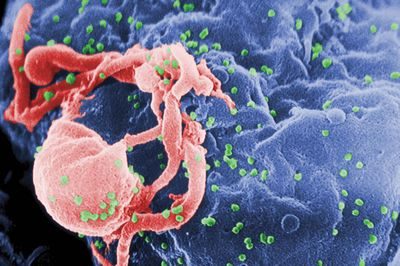
Human immunodeficiency virus (HIV) is a lentivirus. That means it is a “slow virus.” It belongs to the retrovirus family. It attacks the immune system. The body uses this system to fight off infections. Over time, HIV destroys it.
This damage is not instant. It happens gradually. As the immune system weakens, the person becomes vulnerable. They face risks from many other infections. Certain cancers also become a threat. Eventually, these issues can cause death.
Acquired immunodeficiency syndrome (AIDS) is the final stage of this infection. At this point, fatal infections and cancers are common. Without treatment, the outcome is often fatal.
How HIV weakens the immune system
The virus targets specific cells in the immune system. It does not kill the person directly. It removes the body’s ability to defend itself. The term “lentivirus” reflects this slow, steady decline. It is not an acute attack. It is a long-term erosion of health.
People with HIV may feel fine for years. The virus is active even when symptoms are not obvious. This is why early detection matters. The damage accumulates silently. By the time AIDS develops, the immune system has significant gaps.
Why AIDS develops at a specific stage
AIDS is not a separate disease. It is the last phase of HIV infection. The transition happens when the immune system can no longer hold back opportunistic pathogens. These are germs that usually do not harm healthy people. They take advantage of the weakened defenses.
Historical records show how the fight against AIDS has evolved. The emergence of the disease changed how we understand infectious diseases. It highlighted the need for robust immune system support. It also underscored the importance of early medical intervention.
The role of the immune system in defense
The immune system acts as a shield. It identifies and neutralizes threats. HIV breaks this shield. It does so by infecting and destroying key immune cells. Without these cells, the body cannot mount an effective response.
This is why people with untreated HIV are at higher risk. They face infections that a healthy body would easily manage. Cancer risk also increases. The body fails to recognize and eliminate abnormal cells.
What happens when the immune system fails
When the immune system fails, the consequences are severe. Opportunistic infections take hold. These can affect the lungs, brain, and other organs. Some cancers, like Kaposi’s sarcoma, become more common.
The progression varies by individual. Factors like genetics, access to care, and overall health play a role. But without treatment, the trajectory is generally downward. The immune system collapses. The body becomes defenseless.
Why early detection is critical
HIV can be managed. Antiretroviral therapy can suppress the virus. It allows the immune system to recover. It prevents the progression to AIDS. This is a major shift in the narrative. AIDS is no longer an automatic death sentence. It is a manageable condition with proper care.
Early testing is key. It allows for timely intervention. It preserves immune function. It improves quality of life. It also reduces transmission risk.
The ongoing challenge of HIV/AIDS
Despite medical advances, HIV remains a global health issue. Stigma and lack of access to care persist. Many people are not diagnosed until late stages. By then
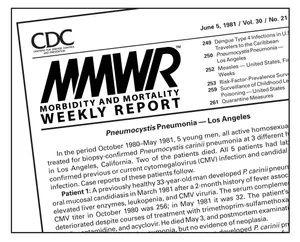

The first warning signs of the AIDS epidemic
Modern AIDS awareness began in the summer of 1981, when no one knew what to look for. On June 5, the Centers for Disease Control and Prevention (CDC) released a short report that would eventually rewrite medical history. It described five cases of Pneumocystis carinii pneumonia (PCP) in previously healthy gay men in Los Angeles. PCP is an opportunistic fungal infection that usually only attacks people with severely compromised immune systems. If this disease is seen in young, strong men, it is a red flag that something is wrong with the body’s defenses.
Experts who investigated these first cases quickly realized that this was no accident. This pattern suggests that the disease can be spread through sexual contact. More importantly, it points to an underlying immune system dysfunction. Whatever these people were exposed to weakened their ability to fight common infections.
A month later, the situation became clear. In July, the CDC released its second report. It described an outbreak of Kaposi’s sarcoma, a rare and aggressive cancer, among gay men in New York and San Francisco. Importantly, reports indicate that many of these patients suffer from both Kaposi’s sarcoma and an opportunistic infection such as PCP.
Researchers quickly connected the dots. These seemingly unrelated symptoms are actually symptoms of a devastating disease called acquired immunodeficiency syndrome. The medical community was just beginning to understand the extent of this threat, unaware that it was becoming a global pandemic.

How was #HIV identified and named?
In the early days of the epidemic, the disease had a great stigma. Researchers originally called it gay-related immunodeficiency disorder (GRID). The media supported the label, calling it the “gay plague”. The premise is simple. This disease only occurs in certain communities.
This is not true.
Cases have been reported among injecting drug users. Infection occurs through shared contaminated needles. Women with male partners can also get sick. It is a mistake to narrow your focus. The scope of the disease is even wider. In 1982, the CDC updated the terminology. They coined the term “acquired immunodeficiency syndrome” or AIDS. The name reflects the reality that no matter who gets sick, their immune system fails them.
The hunt for the culprit
By 1984, the situation was clearer. African researchers have shown that the virus can spread through contact between people of the opposite sex. HIV was identified as the cause of the disease.
The isolation happened the previous year. A French team led by virologist Luc Montagnier isolated the virus from infected patients. They believe this is a new type of human retrovirus. They suspected it could lead to AIDS. But suspicion is not proof. They need more data.
Montagnier sent samples to the United States. He contacted Robert C. Gallo. Gallo had already made history by discovering the human T-lymphotropic virus, the first known human retrovirus. Gallo helped confirm the link. His research showed that HIV is the cause of AIDS. He also played a key role in the development of the first blood test.
The naming was messy at first. Montagnier calls the pathogen lymphadenopathy-associated virus (LAV). In 1986, the International Committee on Taxonomy of Viruses intervened and standardized the name HIV.
The recognition came later. Montagnier and his colleague Françoise Barré-Sinoussi received the 2008 Nobel Prize in Physiology or Medicine. This award recognizes HIV isolation. Although Gallo’s contribution was significant, the Nobel Committee praised the French group that first isolated the virus.
艾滋病毒/艾滋病的患病率和分布
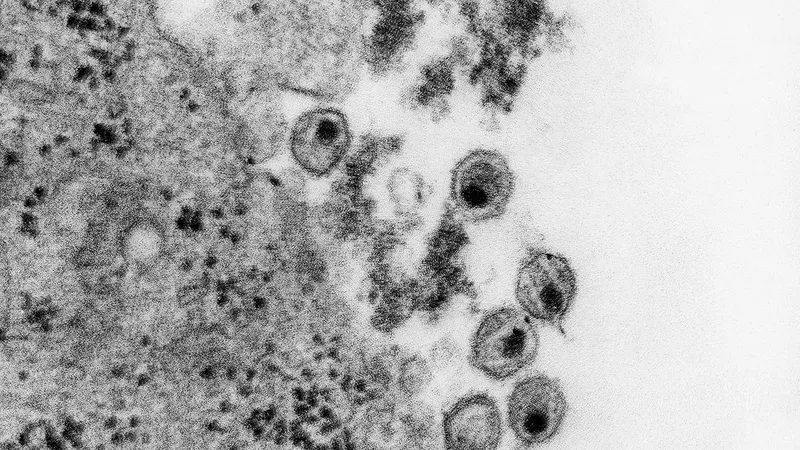
The scale of the HIV epidemic is staggering. According to 2016 data from the World Health Organization, about 36.7 million people have HIV. That year alone, there were approximately 1.8 million new infections and one million AIDS-related deaths. The virus has killed about 35 million people since the first case was confirmed in 1981.
Despite some warnings, there is also a glimmer of hope. At the beginning of the 21st century, the number of new infections started to decrease. AIDS-related deaths have also decreased worldwide since about 2005. This downward trend is primarily due to improved access to treatment. The increase in survivors means that the total number of people infected with the virus will increase.
But the development has been uneven. The UN’s 2016 report emphasized that the decrease in new infections has leveled off. The difference is still large. They exist within nations, between regions, between age groups, and between men and women. Access to treatment is not common.
Where the Virus Lives and Spreads
地理因素在艾滋病毒的传播中发挥着巨大作用。 大约三分之二的感染集中在撒哈拉以南非洲地区。 在该地区的一些国家,超过 10% 的成年人口受到感染。 这是一个巨大的负担。
在其他地方,发病率较低,但病毒已经找到了新的立足点。 不同的亚型已传播到欧洲、印度、南亚和东南亚、拉丁美洲和加勒比地区。 在美国和欧洲,感染率已有所稳定。 美国目前约有 120 万人感染艾滋病毒/艾滋病。
亚洲则讲述着不同的故事。 中国和印度尼西亚的艾滋病毒感染人数急剧增加。 这不仅仅是一个历史问题; 这是当前的、不断扩大的挑战。
Barriers to Treatment Access
Medicine alone is not enough. In many parts of the world, access to antiretroviral therapy (ART) remains limited. Why? Lack of money is a big factor. The lack of infrastructure hinders delivery. Geographical barriers separate rural people from treatment centers in urban areas.
Next is the human factor. Political opposition is holding back progress in several areas. Stigma keeps people away from clinics. Fear of judgment can be as strong an obstacle as a lost pill bottle.
Tracing the origins of HIV
Where did it come from? Details are still murky, but clues point to a primate from West Equatorial Africa. Researchers have found a lentivirus genetically similar to HIV in chimpanzees and gorillas. This is simian immunodeficiency virus (SIV).
Scientists have long believed that SIV is harmless to chimpanzees. This view changed in 2009. A group studying chimpanzee populations has found that SIV does indeed cause an AIDS-like disease in animals. Chimpanzees infected with SIV have a mortality rate 10–16 times higher than uninfected chimpanzees.
How did it jump to humans? Possible causes include chimpanzee hunting, slaughter and meat consumption. This practice probably spread to humans in the late 1800s or early 1900s. AIDS is currently classified as a zoonotic disease, i.e. a disease that affects humans and other vertebrates.
The gorilla lineage known as SIVgor differs from the chimpanzee lineage. Genetic studies of the pandemic HIV-1 strain, group M, indicate that it originated in Central and West Africa between 1884 and 1924.
Timeline of global infection spread
Genetics can also help map the spread of the virus. Researchers estimate that group M HIV-1 began to spread widely in these areas of Africa in the late 1950s. By the mid-1960s, the evolved strain (subtype B) had moved from Africa to Haiti.
In Haiti, the virus may have acquired its unique characteristics through genetic modification. It was then transferred from Haiti to the United States between 1969 and 1972. The virus circulated in the United States for about ten years before it was officially discovered in the early 1980s.
What is accelerating this epidemic? There are several factors. Urbanization in Africa continues to accelerate. miles. international migration. Changing sexual mores. Intravenous drug use. These social and structural changes created the perfect conditions for a pandemic.
Virus classification: groups and subtypes
Researchers classify HIV based on similarities in the genetic sequences of the viruses. This system is extensive but precise. There are two main classes: HIV-1 and HIV-2.
HIV-1 is divided into three groups.
M group (main group)
* Group O (outlier group)
N group (new group)
Globally, most infections are caused by HIV-1 group M. HIV-1 is further divided into subtypes A–K. These subtypes differ in viral gene expression patterns, pathogenicity and infection mechanisms. Some isoforms can also combine to form recombinant forms.
Subtype B is the subtype that spread from Africa to Haiti to the United States. Currently, the subtype B pandemic strain has been found in North America, South America, Europe, Japan, and Australia.
Subtypes A, C and D are common in sub-Saharan Africa. However, subtypes A and C have also spread to Asia and the rest of the world. Most other subtypes of group M are restricted to specific regions in Africa, South America, or Central America.
New unique strains
In 2009, researchers discovered a new strain of HIV-1 in a Cameroonian woman. This virus is closely related to the SIV strain found in gorillas in the wild. It is so unique that it is placed in its own category, HIV-1 group P.
It is not known whether this particular strain causes disease in humans. It remains an anomaly.
HIV-2 is a separate category. It is classified into groups A–E, with subtypes A and B being the most important for human infections. HIV-2 is mainly found in West Africa. It can cause AIDS, but its progression is much slower than HIV-1. There is evidence that HIV-2 may have originated from a type of SIV that infects green monkeys in Africa.
The HIV situation is complex. Viruses adapt. It spreads. It transforms. Despite advances in medical science, social and structural barriers to treatment still exist. Data from 2016 show that the number of new infections has remained unchanged. What happens next depends on how effectively these differences can be resolved. The story is not over yet. It’s still being written, one transmission, one treatment, one community at a time.
HIV does not float in the air. It does not come off the surface. Moves in direct contact with certain body fluids. blood. semen. Vaginal discharge. Breast milk. Infection can occur when bodily fluids from an uninfected person enter the bloodstream of an uninfected person.
The most common route worldwide is sexual contact. Here are the headline stats. But that’s not all. Injecting drug users who share needles and syringes are at high risk. The virus survives in small amounts of blood that remain on shared equipment.
Blood transfusions were once an important vector. Many hemophiliacs contracted HIV through contaminated clotting factors before we developed strict screening and heat treatment protocols to kill the virus. today? The risk is negligible. Very low.
Occupational exposure is rare, but it does exist. Healthcare workers may be exposed to needles that have just been removed from infected patients. Although the thought is scary, the actual infection rate of this injury is low.
Breaking the chain of transmission
It can stop the virus from spreading further. This is not magic. This is medicine.
If the mother is infected with HIV, the virus can cross the placenta during pregnancy or be transmitted through breast milk after birth. Without intervention, spread is possible. This risk is greatly reduced by giving mother and baby antiretroviral therapy (ART) around the time of delivery.
For sexual partners, the numbers are even more alarming. Starting ART soon after diagnosis reduces your risk of passing HIV to your partner by about 96%. This is a big drop.
But things are getting better.
If you take antiretroviral therapy for a long time, your viral load (the amount of virus in your blood) may become undetectable. This is more than just a laboratory curiosity. This is a biological reality. An unknown viral load means that the virus cannot be sexually transmitted.
This concept is called Undetectable = Untransmittable or U = U.
This is not a theory. This is settled science. If it can’t be detected, it can’t spread. Period.
Casual Contact Is Not a Vector
让我们澄清这些误区。 您不会因咳嗽而感染艾滋病毒。 打喷嚏。 共用一个厕所。 握手。 拥抱。 吻在嘴唇上。
病毒很脆弱。 它不能在人体之外长期存活。 它需要一条直达路线。 液体的转移。
这种脆弱性就是偶然接触是安全的原因。 不要让耻辱凌驾于生物学之上。
辅助因素:为什么其他性传播感染很重要
您可能认为艾滋病毒在真空中运作。 事实并非如此。
其他性传播疾病使艾滋病毒更容易感染。 梅毒。 生殖器疱疹。 淋病。 衣原体。
为什么? Inflammation. 病变。 Tears in the tissue.
这些条件创造了切入点。 它们将免疫细胞带到艾滋病毒目标区域。 这是一个生物陷阱。 如果您患有另一种性传播感染,您在性行为中感染艾滋病毒的风险会显着增加。 治疗其他感染。 保护自己免受艾滋病毒感染。
The Life Cycle of HIV
To understand why U = U works, we need to look at the virus itself. HIV is not a static mass. This is the active replication machine.
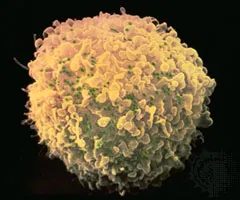

White blood cells are not the only targets. This is a special class called helper T lymphocytes or CD4+ T cells. These cells are your immune system. Their surface is marked with a protein called CD4. Without them, the rest of the defense network is in the dark.
These activate B-lymphocytes to produce antibodies. These signals to cytotoxic T cells to kill the infected body. They stimulate macrophages to eat the pathogen. When HIV robs the body of these cells, the immune system collapses. This collapse is AIDS.
Entry Mechanism
HIV is a retrovirus. It carries the RNA genetic code wrapped in a lipoprotein shell. It cannot copy itself. The assembly of new virus particles requires the host cell machinery.
Entry begins with a key protein on the surface of the virus called gp120. This protein seeks out CD4 receptors on T cells. When gp120 binds to CD4, it starts a chain reaction. The virus forces its way in.
But CD4 alone is not enough. HIV needs helpers.
It uses chemokine receptors as coreceptors. These proteins normally guide immune cells to the site of damage. There are two specific types that do the dirty work for HIV, CCR5 and CXCR4. Both are G protein-coupled receptors.
This process is mechanical and violent. Binding to CD4 exposes hidden parts of the gp120 protein. This exposed region captures CCR5 or CXCR4. Viruses change shape. This change revealed another protein, gp41.
Gp41 penetrates host cell membranes. It acts as a bridge. Attracts the envelope and cell membrane of the virus. Fusion occurs. The viral RNA spills inside.
Scientists are watching CCR5 and CXCR4 closely. Drugs that block these co-receptors can stop HIV before it enters cells.
Reverse transcription and mutation
Once inside, the clock starts ticking. HIV uses an enzyme called reverse transcriptase. This enzyme converts the viral RNA into double-stranded DNA.
This step violates a central dogma of biology. Normally, DNA produces RNA. Here RNA produces DNA. This is called reverse transcription.
The enzyme is sloppy. It lacks the proofreading functions found in standard DNA synthesis. Mistakes happen constantly. Mutations are constantly accumulating.
Viruses evolve quickly. About a million times faster than the human genome. This speed is a weapon. It allows HIV to dodge antiviral drugs. It helps it escape immune detection.
The new viral DNA then integrates into the host cell’s genome. It sticks to any accessible spot. The cells now carry the virus genes permanently. If the conditions are right, cells transcribe these genes. Some copies become new viruses. Others become messenger RNA for viral proteins.
Assembly and Release
Viral proteins accumulate at the edges of cells. They are mixed with genomic RNA. New virus particles are formed. Buds emerge from the surface of infected cells.
It takes a piece of the host membrane with it. This becomes the new viral envelope. Embedded in this skin are the gp120 and gp41 complexes. They are ready to attach to new helper T cells.
The infection is lethal to the host cells. Most of the infected T cells die within a day. The immune system can’t keep up. It produces new cells slower than HIV destroys them. CD4 count decreases.
Doctors track this decline with two numbers. CD4 count indicates immune status. Viral load measures how much virus is in the blood. A high viral load means rapid replication and destruction.
HIV genome and sequencing
Each infected person carries a slightly different virus. Genomes are constantly mutating. This change complicates the development of treatments and vaccines.
Sequencing technology finally caught up in 2009. The HIV-1 genome has been completely mapped for the first time. Before this happens, the RNA folds into a complex structure. Scientists can only read small fragments.
The complete genome contains 9,173 nucleotides. These are the building blocks of RNA strands.
Sequencing showed where variation is highest. It is most prominent in the gp120 gene. Viruses are constantly modifying this surface protein. It changes its costume. Antibodies produced by the immune system no longer recognize it.
This knowledge is not just academic. Understanding these genetic factors helps researchers design new drugs. Once you know how viruses hide, you can learn how to expose them.
The genome is a moving target. It changes, transforms and adapts. We chart it, but it never stays still.
The progression of #HIV: From acute infection to immune evasion
The timeline of HIV infection doesn’t stay static. It goes through three different stages: primary infection, asymptomatic period and finally AIDS. At first, the virus replicates very quickly. Some people suddenly notice flu-like symptoms that last one to two weeks. Fever. sore throat. Swollen lymph nodes. muscle and joint pains. A rash that comes and goes. Malaise that even standing felt like work.
Here is the catch for this period. Standard antibody tests are usually negative. Why? This is because it takes several weeks for the immune system to produce enough antibodies to register on the screen. When the test is positive, your body has already started to fight back and the level of the virus in your blood has started to decrease.
Then comes a long silence. Asymptomatic phase. For most people, this takes about 10 years. It’s a deceptive calmness. The virus continues to replicate. The number of CD4 helper T cells, which regulate the immune response, continues to decline. A healthy adult has about 1,000 cells per microliter of blood. This number is gradually decreasing. slowly.
When the number of cells reaches about 200 cells per microliter, the protective wall collapses. The immune system can no longer fight off opportunistic invaders. This is the onset of AIDS. The body becomes more susceptible to infections that healthy people would not normally get. Pneumocystis jiroveci Pneumonia. tuberculosis. Herpes simplex. Toxoplasmosis. cytomegalovirus. Bacterial pneumonia. Mycobacterium avium.
It’s not just an infection. Dementia set in and cancers like Kaposi’s sarcoma and various lymphomas spread. In many cases, death is not caused by the virus itself, but by the body’s inability to fight these secondary attacks and malignancies.
Outliers and survival genetics
A small group broke the mold. Even if they live with HIV for more than 10 years, they never get AIDS. Scientists have long speculated that this is a stronger immune response. they can’t prove it. Then there’s genetics.
HLA genes have certain variations called single nucleotide polymorphisms (SNPs). These genes code for molecules that trigger the immune system. A particular variant of the HLA-G gene appeared in some female sex workers who were HIV-negative despite having sex with more than 500 HIV-positive men. That’s not luck. This is biology.
The researchers also found SNPs in HLA-B, HLA-C and HCP5. HCP5 is an inactive retrovirus that was inserted into the human genome millions of years ago. Its DNA sequence is very similar to that of HIV. It appears to inhibit virus replication.
But HIV is adaptable. It mutates rapidly to avoid recognition by HLA molecules and cytotoxic T lymphocytes. Consider HLA-B51 and HLA-B27. These variants produce immune molecules that HIV can easily evade. The mutation rate of HIV is directly related to how common these HLA genes are in the population. If HLA-B51 were common, viruses would mutate to escape it. If the gene is rare, the mutated virus is also rare.
This reflects the evolution of influenza. But there are also trade-off. There is evidence that when HIV adapts and overcomes protective HLA mutations, it loses some of its effectiveness. In Botswana, HIV has adapted to avoid the protective variant HLA-B57, resulting in high infection rates but reduced viral replication. Scientists believe that the reduction in virulence is not simply the result of natural selection. Antiretroviral therapy (ART) is also widely used here.
Diagnosis, treatment, and prevention
Tests and screening
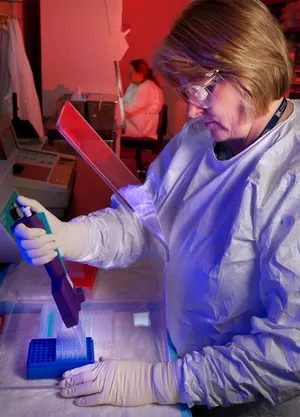

HIV testing does not immediately detect the virus itself. They look for antibodies (immune system proteins) that appeared four weeks to six months after exposure. The standard workhorse in this field is the enzyme-linked immunosorbent assay, commonly known as ELISA.
If the first screen is positive, the laboratory does not panic. They repeat the test with the same blood sample. Only if the second result is also positive, they move to a more detailed confirmation step (usually Western blot).
There is a reason for this two-tiered approach. Although the ELISA is highly sensitive, it is not perfect. False positive results can occur in people who have been exposed to parasitic infections such as malaria. This is a serious problem in areas like Africa where HIV and malaria are endemic. You can’t misdiagnose someone because the original screening was flawed.
Beyond the Standard Screen
There are faster and more direct ways to catch the virus. Polymerase chain reaction (PCR) tests look for viral RNA. This allows testing to occur after recent exposure, but long before antibodies are formed. Another option is single-use diagnostic screening (SUDS).
The catch? These advanced tests are very expensive. Costs are still an obstacle for the majority of risk groups. These are often out of reach, leaving large groups to rely on older, less specific methods.
The Shift to Accessible Home Testing
Pharmaceutical companies have raced to address this lack of accessibility. The goal is to develop a test that is cheaper and does not require refrigeration. Cold-chain logistics are a nightmare in many parts of the world. Removing this requirement would allow for more widespread testing of at-risk groups around the world.
One major breakthrough came with the OraQuick at-home test. this mouth-swab antibody-detection system for home use in the United States in 2012 provides results in about 20-40 minutes. A visit to the laboratory is not required. No waiting for a doctor’s call.
It is available over the counter and marking a significant shift in how people approach their own health. The accuracy statistics are noteworthy. The test accurately identifies HIV-negative people with more than 99 percent accuracy. For people infected with HIV, the accuracy sits at 92 percent. While this gap is significant, it represents a significant improvement in the accessibility.
Antiretroviral medications
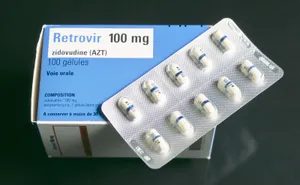

The complex reality of #HIV treatment: How HAART works and why we haven’t found a cure
HIV control is based on a three-pronged attack using antiretroviral drugs. The goal is to prevent the virus from multiplying, but the related drugs work in a different way. For example, protease inhibitors block proteases. This enzyme is essential for the maturation of HIV. Without this, the new virus particles would remain immature and non-infectious. Drugs such as ritonavir, saquinavir, indinavir, nelfinavir, and lopinavir fall into this category.
Then there are drugs that target the reverse transcriptase enzyme. This enzyme helps HIV convert RNA into DNA, a necessary step for infection. Nucleoside reverse transcriptase inhibitors (NRTIs) mimic the building blocks of DNA. It tricks the virus into incorporating a defective substance that breaks the chain. Examples include abacavir (ABC), zidovudine (AZT), zalcitabine (ddC), didanosine (ddI), stavudine (d4T), and lamivudine (3TC). Non-nucleoside reverse transcriptase inhibitors (NNRTIs) work differently. They bind directly to enzymes, causing them to change shape and stop working. Efavirenz, delavirdine, and nevirapine are common NNRTIs.
The need for combination therapy
One drug alone is not enough. HIV mutates rapidly. If only one drug is used, the virus quickly develops resistance. Therefore, combination therapy is essential. Suppressing the virus requires multiple drugs that attack the virus from different angles.
This approach led to the emergence of highly active antiretroviral therapy (HAART). HAART combines three or four drugs, usually a mixture of RT inhibitors and protease inhibitors. Since HAART was introduced in 1996, death rates have decreased significantly in the United States and other developed countries. For many people, a terminal diagnosis turns into a manageable chronic illness.
However, HAART also has its limits. It doesn’t get rid of the virus. It reduces the amount of free virus in the blood (called plasma viral load) to a level that cannot be detected by standard tests. This will restore your immune system. But the virus hides. It lingers in reservoirs. The most important reservoir is the resting memory T cell. These helper T cells can survive for long periods of time. They remain in the body waiting for previously identified infections. HIV remains in their body without the effect of drugs. This latent viral reservoir is a significant barrier to a cure.
Side effects and compliance
These drugs are effective, but they are come with costs. Each drug has specific side effects. Combining them creates new problems. One major problem is lipodystrophy, a condition in which fat is redistributed in the body. Fat is removed from the face and limbs and can accumulate in the abdomen and neck.
Patients must take the medicine every day. It is dangerous if you forget to take it. When drug levels in the blood decrease, drug resistance can develop. This can happen because the patient forgets to take their medicine. It can also be caused by drug interactions or intestinal malabsorption. If HAART fails or is stopped, viral replication continues. Plasma viral load increased. Decreased immunity. If this happens, your doctor may need to change your treatment plan.
Rescue protocols and resistance testing
How do doctors decide which drug to switch to? They use resistance testing. This test determines which drugs and classes of drugs the virus is resistant to. This allows healthcare providers to tailor new treatment options. This new plan is often called a salvage regimen.
Salvage regimens are intense. These often include multidrug salvage therapy (MDRT), also known as mega-HAART. This approach uses five to nine different drugs. This may include various RT inhibitors, protease inhibitors, and possibly hydroxyurea. The goal is to destroy drug-resistant viruses using complex combinations.
When to start treatment
Decisions about when to start antiretroviral therapy (ART) have changed. In the past, doctors delayed treatment. They waited until the CD4 count dropped to 200 cells per microliter of blood. This often occurs at the same time as the onset of symptomatic disease. Starting at that point minimized toxicity risks. Reduces the likelihood of patients discontinuing treatment due to side effects.
However, research has changed perceptions. Early initiation of treatment improves the prognosis of many patients. People with risk factors such as hepatitis infection, a rapid decline in CD4 cells, or a high viral load can significantly delay the onset of AIDS-related illness by lowering CD4 levels to 350 cells per microliter. It can also improve your survival rate.
Babies are a special case. Starting antiretroviral therapy soon after diagnosis, rather than waiting for symptoms to appear, can significantly reduce infant mortality and disease progression.
A vibrant future
These observations make treatment recommendations more dynamic. Doctors no longer use a one-size-fits-all schedule. Adjust your start date based on your individual risk factors. This approach may improve outcomes in certain patient populations.
The benefits are not limited to individuals. Effective antiretroviral therapy reduces the risk of transmitting HIV. This brings new opportunities. HIV-infected people with an undetectable viral load, a normal CD4 count, and no opportunistic infections are now available as organ donors for other HIV-positive patients in need of a transplant. This is a huge change in the way we look at care and transmission.
But the virus is still there. It is hidden inside resting T cells. It waits. The infection continues as long as the reservoirs exists. It can be suppressed with treatment, but it cannot be eliminated. Science continues to advance, providing more personalized strategies and longer lifespans. But viral biology cannot remain static, so the quest for a complete cure continues.
预防的现实:无法治愈,但有很多工具
艾滋病毒无法治愈。 这是所有预防策略都必须围绕的硬锚。
几十年来,焦点一直很简单:改变行为。 节制。 避孕套。 静脉注射毒品者必须避免共用针头。 这些措施在局部里发挥了作用,降低了特定社区和地区的感染率。 但它们不是通用盾牌。 它们依赖于个人意愿、一致性和获取途径。
我们需要更可靠的东西。 一些不依赖于完美时机或完美回忆的东西。
PrEP: 药丸 and injections
引入 antiretroviral therapy. Especially pre-exposure prophylaxis (PrEP).
This is a practice where uninfected people take medication every day to prevent the virus from spreading. It shifts the burden from “avoiding” exposure to “neutralizing” the threat if exposure occurs.
The data from 东非和南部非洲 are convincing. In the studies conducted in Kenya, Uganda and Botswana, 进行了测试 using two different methods.
Truvada was 被使用. This drug is a combination of two drugs, tenofovir and emtricitabine. result? Sexually active participants had a 63-73 percent lower risk of HIV. This is very important.
Another group occupied Viread. This is tenofovir alone. Still, the infection rate was reduced by 62% compared to the placebo group. The 单药疗效 remained unchanged.
Truvada has been on the market since 2004 and is already approved to treat people with the infection. In 2012, the US Food and Drug Administration (FDA) made a historic change of direction. They specifically approved it for HIV prevention, making it the first drug to be used for this purpose.
However, the drug is not suitable for everyone. Adapting is a pain. If you miss even one day, your protection will decrease.
This is where the approval of Apretude (cabotegravir) in 2021 will change the game. It is a long-acting injection. Clinical trials have shown that PrEP given every two months can reduce risks more than daily oral PrEP. For some people, injections are easier than taking pills every day.
The vaccine problem: hopes and hype
If PrEP is a protection, vaccines are a 堡垒.
It’s not there yet. It’s not a completely efficient approach.
The closest test we have is the RV 144 study in Thailand in 2009. More than 16,000 healthy volunteers aged 18-30 years participated in the test. The strategy is “prime-boost”, where two different vaccines are given consecutively. These are designed to target HIV strains prevalent in Southeast Asia.
result? The risk of infection is reduced by 31.2%.
30% seems like a lot. 但这并非毫无意义。 But in the world of vaccines, even this is controversial.
Why? Because statistical significance falters. Different analysts look at the same data and have different levels of confidence. Some believe the 减少 are real. Others think it’s noise. Differences in how different statistical models reduce risk have divided the medical community.
“However, the results of this study are controversial because different statistical analyzes found different statistical significance of risk reduction.”
This remains the only vaccination strategy that can demonstrate “any” efficacy. Probably a proof of concept. But that’s not the solution.
So there’s only one package left. condom. PrEP tablets. PrEP injection. There are also vaccines that are 几乎有效.
Which would you choose? It depends on your life. your risk. Tolerance of 每日服药与每两月注射.
Science is developing rapidly. Biology is tenacious. the gap between what we have and what we have
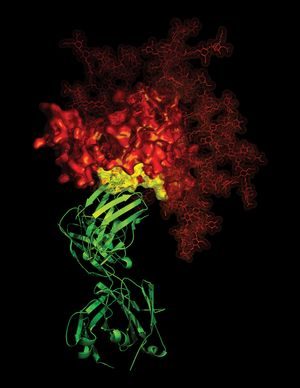

Path to HIV Cure: Breakthroughs in Broadly Neutralizing Antibodies, Gels, and Stem Cells
The search for a cure for HIV has moved beyond simple suppression. Researchers have identified naturally occurring antibodies that can neutralize about 90% of HIV strains. These broadly neutralizing antibodies target the CD4 receptor, a highly conserved protein found in most HIV variants. By understanding how these antibodies bind to viruses, researchers are investigating synthetic molecules that mimic this interaction in the hope that this will trigger the production of the body’s own defenses. This body of research provides a potential blueprint for effective preventive vaccines.
Disappointment and expectations regarding vaginal protection agents
For women, especially those for whom condom use is not consistent or possible during intercourse, vaginal antimicrobial gels offers promising protection against infection. Early trials tested drugs such as Ushercell (cellulose sulfate) and PRO 2000 (naphthalene sulfonic acid polymer) designed to prevent HIV from attaching to vaginal cells.
The results were clear. Despite initial optimism, large-scale studies involving thousands of women showed that neither gel offered significant protection. Ushercell was tested on more than 1,400 women, and almost 9,400 people participated in the trial of PRO 2000. Neither was able to demonstrate efficacy.
Then came tenofovir.
In 2010, researchers reported from an early-stage trial of 889 women in the KwaZulu-Natal province of South Africa that 1% tenofovir gel reduced HIV risk by 39%. Regular users saw a 54 percent reduction. This seemed like a breakthrough case. However, when the National Institute of Allergy and Infectious Diseases (NIAID) conducted a larger clinical trial in Africa, it was found that the gel was not effective. The contrast between early promise and large-scale reality underscores the complexities involved in turning a laboratory success into a broad public health tool.
Gene targets for strengthening the immune system
In addition to physical barriers, researchers are studying the genome itself. Gene variations such as HLA-B, HLA-C, HLA-G and HCP5 open new doors for drug and vaccine development. These genetic markers affect how the immune system recognizes and fights viruses. Treatments designed to enhance responses associated with these genes may provide new ways to boost the body’s natural defenses against HIV.
报道的治愈方法:谁真正治愈了?
“治愈”这个词在医学上很重要。 自 20 世纪末以来,出现了几起患者在采取积极治疗策略后被宣布不再感染艾滋病毒的案例。 然而,“治愈”的定义仍然很微妙。
The Berlin and London patients
The first significant case occurred in 1989. Lymphoma patients underwent allogeneic hematopoietic stem cell transplantation (HSCT), which replaces hematopoietic cells with donor cells. The operation removed the HIV, but the patient soon died of a recurrence of the tumor.
This story, which gained worldwide attention, involves Timothy Ray Brown, known as the “Berlin Patient”. In 2009, the New England Journal of Medicine reported that Brown, 42, was HIV-free after undergoing a stem cell transplant for acute myeloid leukemia at Charité Hospital in Berlin. His doctors specifically chose a donor who had a rare mutation in the CCR5 gene that confers natural resistance to HIV. Brown does not have HIV and has not taken antiretroviral therapy (ART) for many years. As of 2019, he is still living without the virus. In 2020, Brown did not die of AIDS, but of leukemia, which had broken out and spread to the central nervous system.
In 2019, another case emerged, that of Adam Castillejo, known as the “London Patient”. Like Brown, he also underwent a stem cell transplant to treat cancer. By 2020, he was said to be HIV-free.
The Boston patients and the reality of latency
Two other adults, known as the “Boston patients,” were reportedly cured of lymphoma with HSCT in 2013. However, the virus returned in both cases the following year. These examples highlight the serious challenge that HIV can remain hidden in latent carriers even after a successful transplant. Although these patients were “functionally cured” and their viral levels became temporarily undetectable, the possibility of re-infection has not been completely ruled out.
The Mississippi baby
当患者还是个孩子时,风险会更大。 2013 年,密西西比州一名早产儿出生,其母亲未经治疗,艾滋病毒呈阳性,出生后仅 30 小时就开始接受三种药物抗逆转录病毒疗法。 This was far more aggressive than the standard one- or two-drug prophylactic protocol.
婴儿的病毒载量迅速下降。 一个月之内,病毒就检测不到了。 近两年来,孩子一直没有接受治疗,没有病毒反弹的迹象。 It looked like a true cure. 然后,2014年,病毒再次出现。 The report of a cure was proven false. 该病例强调,早期干预可以抑制病毒,但并不能保证根除病毒。
New hope: umbilical cord blood
Progress is slow, but development continues. In 2022, researchers reported that it was possible to cure mixed-race women with a new stem cell transplant method using umbilical cord blood. She received the transplant to treat leukemia. The surgery included partially matched blood from a first-degree relative, which may have helped boost her immune system, while cord blood cells were transplanted into her bone marrow.
At the time of publication, he had been HIV-free for 14 months. This case is important because previous treatments were primarily limited to people of European descent because they required a specific CCR5 mutation. The use of umbilical cord blood can overcome major genetic obstacles in the way of previous treatments and open the door to treating patients from different ethnic backgrounds.
Mother-to-child transmission of HIV is still the main way in which children become infected with the virus. Without intervention, the risk varies from 15% to 30%. If the baby is breastfed for a long time, this percentage is even higher, up to 45%. The transmission window is broad. It occurs during pregnancy, childbirth, childbirth and breastfeeding.
Testing is your first line of defense. Women need to know their status. Preventing unwanted pregnancies in people who test positive is also an important strategy. However, many HIV-positive women still want children. Good news? With appropriate treatment, the risk can be reduced to less than 2 percent. Therefore, mothers should receive antiretroviral therapy (ART) before birth and during delivery. It also requires formula feeding.
Newborns are usually given antiretroviral drugs during the first weeks of life. This adds an extra layer of protection. However, there is a problem. The use of antiretroviral drugs in early pregnancy can increase the risk of fetal development problems. That’s why timing is important.
Delivery Methods and Maternal Health
许多人认为预定剖腹产是最安全的选择。 如果在分娩前或破水前进行,可以降低传播风险。 但这不是免费通行证。 接受剖腹产的艾滋病毒感染妇女面临更高的并发症风险。 发烧。 出血。
在一些国家,手术给母亲带来的风险超过了给婴儿带来的好处。 手术并发症造成的孕产妇死亡是一个真正的威胁。 This makes the decision to choose a C-section complex. 这不仅仅是病毒的问题。 这也关系到母亲的安全。
Barriers to Care
预防计划遇到了现实世界的障碍。 有些女性拒绝接受检测。 对歧视的恐惧使他们望而却步。 其他人开始护理但没有跟进。 在耻辱感很高的地方,医疗服务提供者可能会歧视感染艾滋病毒的孕妇。 这迫使他们远离诊所。
对失去孩子的恐惧是另一个障碍。 妇女们担心社会服务会带走她们的孩子。 如果他们有静脉注射毒品或性工作史,则尤其如此。 当地政策或过去的经验往往证明这种担忧是合理的。 它造成了脱离的循环。
The Breastfeeding Dilemma
在欠发达国家,母乳喂养的选择绝非简单。 配方奶与不干净的水混合会导致腹泻和脱水。 它会杀死婴儿。 所以妈妈们靠母乳喂养才能生存。 配方奶粉也可能太贵或很难找到。 母乳喂养的文化压力又增加了一层。
当无法选择配方奶粉时,抗逆转录病毒药物可以提供帮助。 如果有的话,在母乳喂养期间为母亲或婴儿补充剂量可以减少传播。 这是一种妥协。 这是一种冒险的方法,但有时是让母亲和孩子活下来的唯一可行的方法。
Family planning for serodiscordant couples
What if one partner is positive and the other negative? These are serodiscordant couples. Artificial insemination completely protects the uninfected male partner. However, it cannot protect the child from the mother.
For HIV-positive men, sperm washing is the solution. This process separates the sperm from the semen. The liquid contains the virus. The sperm does not. Clean sperm is used for in vitro fertilization (IVF) or artificial insemination.
These methods work. However, they are expensive and only a limited number of people have access to them. For most serodiscordant couples, sex is the only way to conceive. If both parties are using ART, Transmission rates drop significantly If there are no other sexually transmitted diseases, They also drop Coinfection complicates everything.
Social, legal, and cultural aspects


Social and scientific consequences of AIDS
There is no cure, and this absence casts a long shadow over the course of the disease. Human cost is massive and targets certain groups with brutal efficiency. In the 1980s, the population of San Francisco’s gay community declined. By the turn of the 2000s, the virus had infected more than a third of adults in sub-Saharan countries such as Botswana, Swaziland and Zimbabwe. The social impact was devastating.
The cultural impact was equally far-reaching. This crisis forced a reckoning in medicine and sparked complex legal debates about rights, care and access. It also sparked fierce competition. Scientists, pharmaceutical companies and research institutes fought each other, driven by desperation and profit.
The lack of a cure turned a medical emergency into a global social and legal crisis.
The International AIDS Society has held regular conferences since the mid-1980s. These meetings are not just formalities. They are battlefields where new research results are presented and the development of medicine is analysed. The goal is clear: find a way to stop the spread or at least limit the damage. The stakes have never been higher.


Human costs and global division
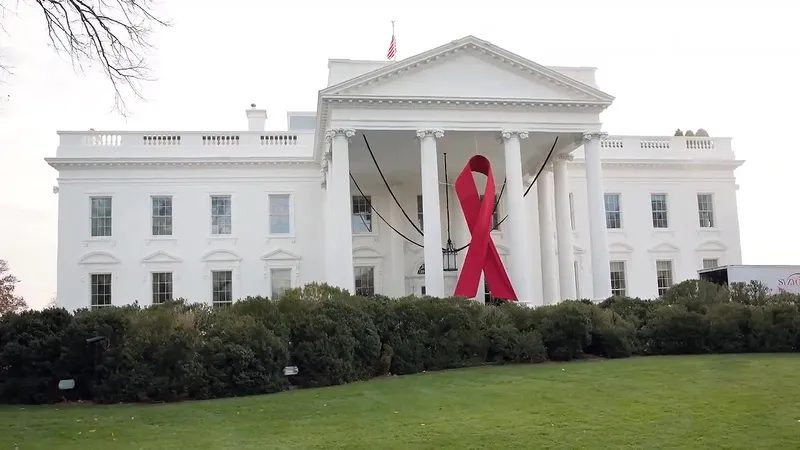
One red strip of fabric carries a heavy message. It shows that someone cares. Advocates attach these loops to their jackets to demand action, while activist groups pressure governments to open coffers for education, research and treatment. Support networks are huge. They offer more than just pills. They provide living space. They serve meals. They offer legal aid and hospice care. They act as a buffer against disease that robs human dignity.
The amount of loss is embroidered on the fabric. The AIDS Memorial Quilt contains over 48,000 panels. Each one represents a shortened life. The blanket is displayed in cities around the world and does more than just raise funds. It forces the viewer to face the human dimension of a global tragedy. The United Nations has recognized this urgency and declared December 1st as World AIDS Day.
But awareness doesn’t always mean access. The reality of access to HIV care is still sharply divided by geography and wealth. Developing countries often lack the necessary infrastructure to support advanced treatments. Funding is tight. The latest medical breakthroughs in developed countries are beyond the reach of many.
In contrast, richer nations have changed the story. In specialized health care, AIDS seems to be manageable. Some even consider it chronic rather than catastrophic. This perception has consequences. It has fostered a dangerous laxity towards prevention. Why practice safe sex when the virus is easy to control? Why support sterile needle programs when treatment is guaranteed?
The result is a cycle of complacency. HIV infection rates are on the rise again, especially in these developed areas. The safety net of treatment has become a trap for prevention.
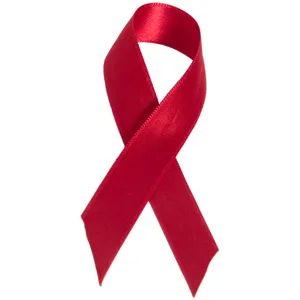

Approach the crisis from different perspectives
Africa is not a monolith, but the sheer scale of HIV in sub-Saharan Africa has forced governments into desperate, creative corners. You see a mix of strategies. Some countries make deals with big pharmaceutical companies to lower prices. Others, like South Africa, stopped waiting and started making their own antiretroviral drugs. There are even attempts to study native plants for potential treatments. It’s a desperate search for a tool that works when money is tight.
When money runs out, education is the only weapon left. Uganda deserves credit for this. They didn’t just put up posters. They put songs about the disease on the radio. They started teaching children in kindergarten. The goal was simple: stop the spread before it starts. In Senegal, they went even further. Sex workers are licensed and tested regularly. Even religious leaders, including Islamic clerics, are part of the information campaign. It’s about meeting people where they are.
The dark side of misinformation
But the development is not smooth. In some places the situation is terrible. There is a shockingly misguided belief among some HIV-positive men that sex with young girls will cure them. It is a myth born of ignorance and despair. Then you have legal and cultural barriers. Homosexuality is illegal in many African countries. The stigma is so great that gay men avoid treatment altogether. Outreach programs hit a brick wall.
The results are stark. In 2009, data showed that infection rates among gay men in some countries were ten times higher than in the general male population. And here’s the kicker: many of these men didn’t even know the virus could be transmit from male to male. It’s a cycle of shame, silence and contagion. Experts agree on one thing. Better education is the only way to dispel stereotypes and misinformation.
Legal framework and global politics
HIV laws can generally be divided into four areas. Reporting requirement. Mandatory testing. Criminalizing transmission. Immigration bans. It’s chaotic.
The purpose of the reporting obligation is to help people get treatment faster. Countries such as Canada, Switzerland, Denmark and Germany have passed screening laws. Prisoners are being tested in Estonia because the infection rates there have exploded. Convicted sex offenders in the United States are often subject to testing.
Then there is the criminalization aspect. If you knowingly or unknowingly become infected with a virus, you may be charged. This is common in the US and Canada. It’s a punitive approach.
Another battleground is immigration. HIV has long been a barrier to entry. The United States added AIDS to its list of infectious diseases in 1987. The same applies to Saudi Arabia, Libya, Qatar, Russia, and South Korea. It was a tough line. But on January 4, 2010, President Obama lifted the US ban. He called it inconsistent with America’s role in the global fight against AIDS. Perhaps a symbolic change, but significant.
Culture wars and patents
In the US, the fight was not just about laws. It was about neighborhoods and schools. Some communities prevented the opening of AIDS clinics. They fought against HIV-positive children attending public schools. Fear overcame logic.
Internationally, the patent wars were fierce. Thailand, India and Brazil challenged international drug patent laws. Their argument was practical. Society’s need for modern treatments is greater than pharmaceutical companies’ right to keep prices high. It was a bold move.
Western countries also had their own problems. For years, some governments refused to implement public education campaigns for high-risk groups such as gay men, sex workers or drug users. Why? Fear gives the impression that they tolerate this lifestyle. It was a political calculation that cost lives.
Artistic heritage
In terms of art and popular culture, HIV/AIDS has been a double-edged sword. It took talented people away. Photographers. Singers. Actors. Writers. The gap they left is still felt.
But it has also led to some incredible art. Tragedy often does. War creates art. The Holocaust produced art. AIDS did too. Love Alone by Paul Monette. Symphony No. 1 by John Corigliano. Tony Kushner’s Angels in America. This is not just entertainment. They are survival documents.
Look at Arthur Ashe. The tennis star got AIDS from a blood transfusion. He spent his last days in public. This courage is part of the legacy. The staggering infection rates are one part of the story. The art is the other. Both remain.


