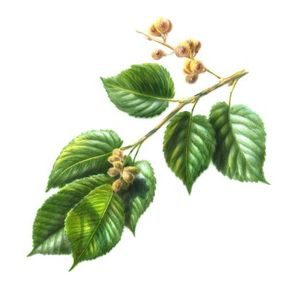
It gets its name for a reason. The bark of the slippery elm tree is slick. It feels strange under your fingers. But there is another kind of slipperiness here. You can’t always find the tree in the wild.
American settlers once relied on this tree heavily. Then Dutch elm disease hit. It wiped out many of the forests. The trees became rare. You won’t stumble across them easily anymore.
Fortunately, the remedy survived. You can still buy slippery elm products. Health food stores stock them. They are popular for treating inflammation. That is the main reason people reach for it.
The Science Behind the Slip
The scientific name is Ulmus fulva. It means “tawny.” This refers to the pale yellow color of the powdered bark. The powder smells pleasant.
Here is what happens when you add water. The powder turns into a mucilage. It becomes slippery. That texture is the key.
The mucilage coats tissues. It soothes. It moistens. It reduces swelling. The tannins in the bark act as an astringent. They help heal damaged tissues.
This makes it ideal for internal inflammation. It is not just a folk remedy. The chemistry supports the use.
Nutritional Content and Internal Healing
Mucilage is the primary ingredient. But the bark has more. It contains starch. There is sugar. Calcium is present. So is iodine. You will find bromine too.
It also has amino acids. Traces of manganese and zinc are there. People eat it to nourish the body. It soothes while it feeds.
Slippery elm heals internal mucosal tissues. Think of the stomach lining. The vagina. The esophagus. These areas benefit from the coating effect.
It is often recommended as a restorative herb. Why? Because it helps people who are sick. It is good for those with prolonged flu. It helps with stomach upset. Chronic indigestion suffers here too. Malnutrition can follow those issues.
The herb soothes ulcers. It calms stomach inflammation. Irritated intestines find relief. Vaginal inflammation is reduced. Sore throats disappear. Coughs quiet down. Hoarse voices recover.
Understanding the Limitations and Safety
This is not magic. It is a plant-based intervention. The evidence is largely traditional and observational. Scientific studies are limited.
You should know that many natural remedies have not been evaluated in rigorous scientific trials. Safety data is often incomplete. Effectiveness varies by person.
Using it with other medications can cause adverse reactions. Over-the-counter drugs interact with herbs. Prescription drugs too. The risks are real.
This information is for educational purposes only. It does not provide medical advice. The publishers and authors take no responsibility for consequences. This is not the practice of medicine.
You must seek advice from a physician. Do not replace professional care with herbal remedies. Many states and disciplines have their own licensing rules. Choose a licensed practitioner if you seek treatment.
Always speak with your primary health care provider. Start any new therapeutic technique with caution. Your body is unique. What works for one may not work for you. The slippery elm is helpful. But it is not a cure-all. It is a tool. Use it wisely.
How to Prepare and Dose Slippery Elm Bark
Slippery elm isn’t just another generic herb. Its bark holds mucilage that actually coats and soothes inflamed tissue. You can reduce swelling and help damaged areas heal if you prepare it correctly. But the method matters.
Most people try making tea with the bark. It works. The bark is mild and easy to swallow. That said, tinctures don’t capture its benefits well. The active compounds don’t dissolve in alcohol effectively.
So you need powder or cut strips.
If you are making tea, skip the boiling. Hot water can degrade the mucilage. Instead, use a long soak in cold water. Let it sit. Then strain and drink.
For those who want a more substantial intake, the powder serves as a healing food. Stir 2 to 3 tablespoons into juice. Oatmeal works too. Pureed fruit is another option. You can even mix it with hot water, bananas, and applesauce.
This creates a gruel. It mimics the texture of oatmeal. It settles an inflamed stomach. It helps with ulcers.
Using Slippery Elm for Throat and Rectal Irritation
The herb isn’t just for digestion. You can use it elsewhere.
Rectal and vaginal suppositories made from slippery elm powder soothe inflammation in those sensitive tissues. It’s a direct application.
For a sore throat or cough, lozenges are the way to go. You can buy them at health food stores. Some pharmacies carry them. Or you can make your own. The coating action works directly on the throat lining.
Is Slippery Elm Safe for Everyone?
Safety is rarely an issue here.
Slippery elm is generally well tolerated. There are no major warnings listed for standard use. It is considered safe for babies. Elderly people take it without issue. Pregnant women can use it.
Its mild nature makes it a reliable choice for treating inflammation. Whether you take it as a tea or a lozenge, it rarely causes adverse reactions.
A Simple Slippery Elm Gruel Recipe
This recipe uses fresh applesauce as a base. The texture is key. You want it thick enough to coat the stomach lining.
Make 1 or 2 cups of fresh applesauce. Pear sauce works too. Nectarine puree is another option.
Add 1 cup of slippery elm powder. Do it slowly. Whisk it with a fork bit by bit. If you dump it all in at once, it clumps.
Eat it as is. Or add flavor. Raisins help. Maple syrup adds sweetness. Chopped banana works. Nuts or granola add crunch.
If you are experiencing acute stomach pains, you might not tolerate food. In that case, skip the fruit. Make a tea of slippery elm instead. Or whisk the powder into plain water. Hydration and coating are what matter most during acute distress.
The Bottom Line
Slippery elm is a practical tool. It is not a miracle cure. But for inflammation and discomfort, it has a place.
The preparation is simple. Cold water for tea. Powder mixed into food for coating. Lozenges for the throat.
It is one of the few herbal remedies that feels more like food than medicine. And that makes it easier to stick with.
Whether you are dealing with a lingering cough or a sensitive stomach, the bark offers a gentle path. You don’t need complex protocols. Just patience. And the right preparation.
There are many other ways to treat common conditions at home. The Herbal Remedies page offers an overview. The Home Remedies section covers broader topics.
Nutrition matters too. Ensure you are getting enough vital nutrients. The Vitamins page has details on that.
Jennifer Brett, N.D. directs the Acupuncture Institute at the University of Bridgeport. She is on the faculty of the College of Naturopathic Medicine. She treats disorders using nutritional and botanical remedies. She has appeared on WABC TV and Good Morning America.
This information is for educational purposes only. It is not medical advice. Neither the editors, the author, nor the publisher take responsibility for consequences from any treatment. This does not constitute the practice of medicine. It does not replace a physician’s advice.
Seek your physician’s advice before starting any new treatment. Many complementary techniques have not been evaluated in scientific studies. Use of these remedies with prescription medications can cause severe reactions. Limited information is available about their safety.
Practitioner licensing varies by state and discipline. Choose a licensed practitioner if you visit one. Always speak with your primary health care provider first.