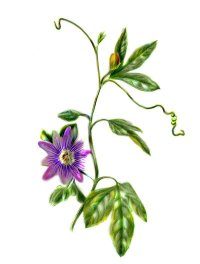
Long before modern pharmacology mapped the brain’s chemistry, the Aztecs were already reaching for passionflower to quiet the nerves. They didn’t just use it casually. They relied on it as a sedative and a pain reliever when things got heavy. Fast forward to today and herbalists still point to the same vine. But their list of uses has grown slightly. They see it as an antispasmodic too. The core idea remains the same though. The plant helps stop spasms and induces calm.
From Ancient Remedies to Modern Teas
The historical record is clear. Aztec practitioners brewed the flower for its soothing properties. They weren’t guessing entirely either. The plant contains compounds that interact with the body’s neurotransmitters. Specifically, it influences gamma-aminobutyric acid (GABA). This is the same chemical pathway that many prescription anti-anxiety drugs target. The difference is that passionflower does it gently. Or at least, that’s the traditional understanding.
Modern herbalists classify it primarily in two buckets. It’s a sedative. It also fights spasms. This makes it a go-to for people looking for non-pharmaceutical options. You’ll find it in tinctures. It’s in teas. Sometimes it’s in sleep supplements. The goal is always the same. Reduce the static in your head and ease physical tension.
What the Science Says About Its Effects
Is it magic? No. Is it medicine? Not exactly. It sits in that gray area of herbal supplements where evidence is promising but not definitive. Research on passionflower (Passiflora incarnata) suggests it may help with mild anxiety. Some studies show it can reduce pre-surgical anxiety effectively enough to be comparable to benzodiazepines in one specific trial. That’s a strong data point. But larger, more rigorous trials are needed to confirm its efficacy for chronic conditions.
When it comes to pain relief, the Aztec claim holds some water. The antispasmodic action can ease cramping. This might help with menstrual discomfort or gut issues. It’s not a strong analgesic like morphine. It’s a relaxant. If your pain comes from tension, it might help. If it’s structural damage, it won’t do much.
How People Use It Today
You won’t usually find passionflower in your average pharmacy aisle next to aspirin. It’s mostly in the supplement section. Or online. Here is how it typically shows up:
- Tea: The most traditional method. Steep the dried flower. It tastes earthy. Some find it bitter.
- Tinctures: Alcohol-based extracts. These act faster than tea because the compounds are already dissolved.
- Capsules: Standardized extracts. Easier to dose. Less taste.
If you are considering trying it, start low. The body reacts differently to herbal sedatives. Some people feel a mild drowsiness. Others notice nothing. It’s not a switch you flip. It’s more of a dimmer.
Safety and Side Effects
Herbal doesn’t mean harmless. Passionflower can cause drowsiness. Combining it with alcohol or other sedatives can be dangerous. It might amplify the effects. Pregnant women are generally advised to avoid it. The antisp
It works on the nervous system differently than the heavy hitters in your medicine cabinet.
Passionflower doesn’t just knock you out. It targets muscle tension and twitching specifically. Most pharmaceutical sedatives take a sledgehammer approach, blunting mental function and slowing respiration. Passionflower leaves those alone. You get the calm without the cognitive fog.
This specificity is why it has earned a spot in herbal arsenals for decades.
Treating Hyperactivity and Nerve Disorders
The uses are broad but specific. People have turned to it for anxiety, insomnia, and that jittery, restless energy that won’t quit. It also shows up in protocols for epilepsy.
In Europe, the application is more clinical. Manufacturers add the flowers to pharmaceutical preparations for nerve disorders and heart palpitations. It’s not a strong painkiller. But when pain stems from tight muscles and emotional turmoil, it helps.
Here is the kicker. Unlike many sedative drugs, passionflower is nonaddictive. That distinction matters. It doesn’t hook you. You don’t need to ramp up the dose to get the same effect.
Safety and Interactions
The plant is generally considered nontoxic. Moderation is key. Many herbalists prescribe three or four cups of tea a day. There are no major reports of harm at that level.
But interactions exist.
If you are already taking prescription medication for anxiety or depression, pause. Combining them can lead to excessive sleepiness. The effects stack in ways that aren’t always pleasant.
Also, know what you are buying. The blue passionflower is a close relative. It does not have the same activity. It is not a substitute. Using the wrong species means getting zero benefit.
Side Effects and Dosing
More is not better. Taking too much for too long can depress the nervous system.
You might experience fatigue. Mental fogginess is another common complaint if you overdo it. The solution is simple. Start with a low dose. Take it several times a day.
Monitor your body. Increase only as you learn how you respond. It is not a set-it-and-forget-it remedy. You need to dial it in.
Next up, we look at preparation methods and the potentially dangerous side effects that lurk if you ignore the warnings. But for now, stick to the basics. Low dose. Observe. Adjust.
This information is solely for informational purposes. IT IS NOT INTENDED TO PROVIDE MEDICAL ADVICE. Neither the Editors of Consumer Guide (R), Publications International, Ltd., the author nor publisher take responsibility for any possible consequences from any treatment, procedure, exercise, dietary modification, action or application of medication which results from reading or following the information contained in this information. The publication of this information does not constitute the practice of medicine, and this information does not replace the advice of your physician or other health care provider. Before undertaking any course of treatment, the reader must seek the advice of their physician or other health care provider.
Before engaging in any complementary medical technique, including the use of natural or herbal remedies, you should be aware that many of these techniques have not been evaluated in scientific studies. Use of these remedies in connection with over the counter or prescription medications can cause severe adverse reactions. Often, only limited information is available about their safety and effectiveness. Each state and each discipline has its own rules about whether practitioners are required to be professionally licensed. If you plan to visit a practitioner, it is recommended that you choose one who is licensed by a recognized national organization and who abides by the organization’s standards. It is always best to speak with your primary health care provider before starting any new therapeutic technique.
Passionflower isn’t one-size-fits-all. You can take it dried, fresh, or in concentrated forms. But the way you ingest it changes the experience. And the dosage shifts depending on what you’re trying to fix.
Whether you are dealing with acute stress or deep-seated insomnia, the method matters. Let’s break down the practical side of using this herb.
Brewing for Acute Stress
If anxiety is hitting hard right now, herbal tea is the most direct route. You aren’t looking for a subtle background note here. You’re looking for relief.
Drink 2 to 4 cups per day. Do this for a week. Then, cut back.
The goal isn’t dependency. It’s regulation. Reduce the dosage or take it less often once you find your baseline. Fresh or dry material works for teas, but the consistency of the brew relies on steeping time and quality. Don’t rush it.
Tinctures for Muscle Tension
Tinctures are different. They use alcohol or vinegar to extract compounds from fresh or dry plant matter. This makes them potent.
For muscle tension and anxiety, the standard dose is 30 to 60 drops. That’s 1/4 to 1/2 teaspoon. Take it twice a day.
But here is where you adjust. Depending on your response, you can take it every two to three hours. Start small. Start with the lower end of that range. Watch how your body reacts. Then increase the amount and frequency only if needed.
Capsules and Sleep
Capsules offer precision. No bitter taste. Just measured intake.
Take 2 capsules, two or three times a day. If insomnia is the problem, shift the heavier dose. Take it an hour before bedtime.
This timing allows the active compounds to work with your natural sleep cycle rather than against it. It’s not a knockout drug. It’s a gentle nudge toward rest.
The Risk of Overdoing It
Passionflower is generally considered nontoxic in moderation. Many herbalists prescribe three or four cups a day with no reported issues. But more isn’t always better.
Too much passionflower for too long can depress the nervous system. The result? Fatigue. Mental fogginess. You might feel tired instead of relaxed.
That’s why starting low is non-negotiable. Increase slowly. Learn how you respond. Your body gives feedback. Listen to it.
Critical Warnings and Interactions
Do not combine passionflower with prescription medications for anxiety or depression. The interaction risk is real. Excessive sleepiness has been reported when these are mixed. If you are already on medication, this herb could amplify the effects in unwanted ways.
Also, know your source. Blue passionflower is a close relative. It should not be used. It lacks the same activity. Using the wrong species defeats the purpose.
When used correctly, passionflower can reduce anxiety. It can give you focus. It clears the static so you can get through the day.
Context Matters
This information is for educational purposes only. It is not medical advice. Neither the author, Jennifer Brett, N.D., nor the publishers take responsibility for consequences from using these remedies.
Before starting any new therapeutic technique, speak with your primary health care provider. Many complementary techniques haven’t been evaluated in rigorous scientific studies. Limited information exists about their safety with over-the-counter or prescription drugs.
Choose licensed practitioners if you visit one. Check their credentials. Your health is complex. Herbs are powerful. Treat them with respect, not assumption.
There is no perfect balance to find overnight. It’s a process of adjustment. And sometimes, that adjustment leaves you wondering what comes next.