


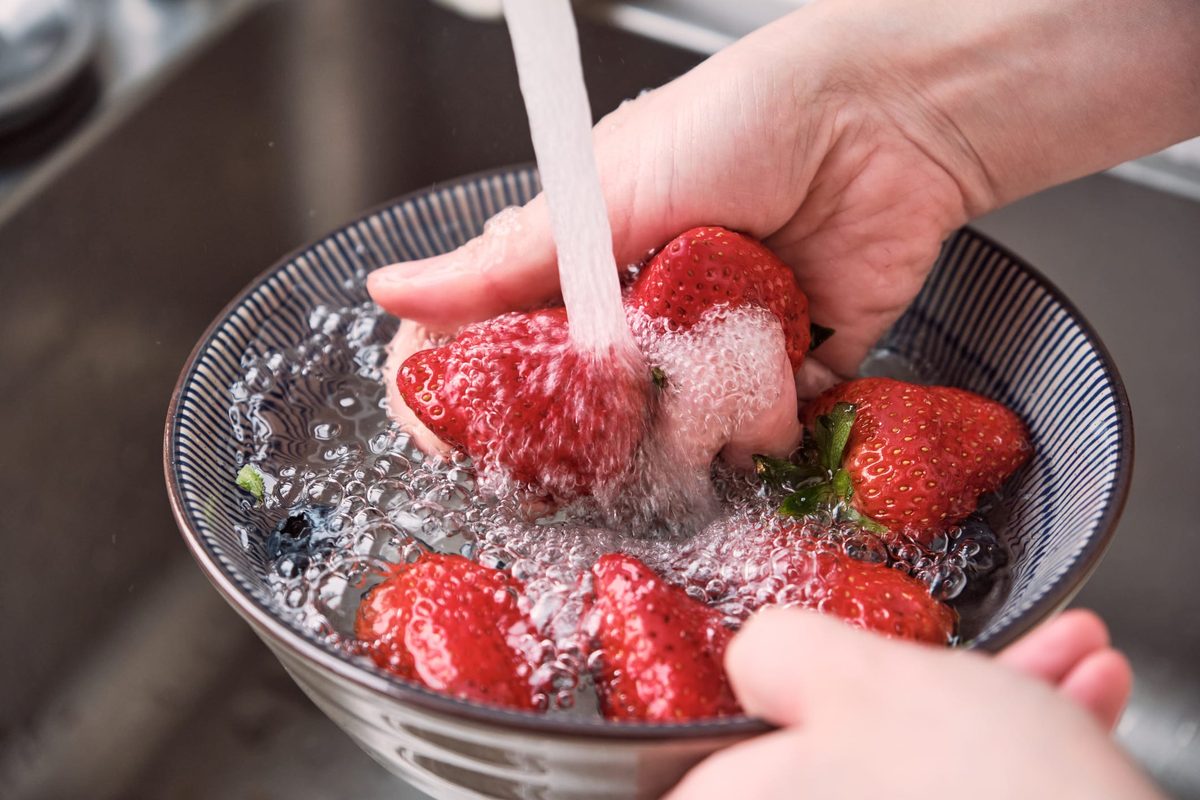
Strawberries taste like summer. They are bright red, juicy, and sweet. Most people eat them without thinking twice. But there is a problem hiding under that sugar. Strawberries consistently top the lists for the highest levels of pesticide residues among fresh produce. This is a documented fact, not a rumor. However, knowing this does not mean you should stop eating them. You just need to know how to wash them properly.
The Science Behind High Residue Levels
Why do strawberries have so many chemicals on them? It comes down to their biology. The fruit is soft and porous. It also grows close to the ground. This makes it vulnerable to pests and fungi. Farmers often apply multiple rounds of pesticide sprays during the growing season to protect the crop.
“Strawberries are among the most sprayed fruits in the United States.”
The Environmental Working Group (EWG) publishes an annual report called “The Dirty Dozen.” In recent years, strawberries have frequently ranked at number one. This ranking is based on data from the U.S. Department of Agriculture (USDA). The USDA tests thousands of food samples each year. Their data shows that conventional strawberries often contain detectable levels of multiple different pesticides.
This does not mean every strawberry is toxic. The levels are generally within the legal safety limits set by the Environmental Protection Agency (EPA). But some consumers want to reduce their exposure as much as possible. That is a reasonable goal.
How to Wash Strawberries to Reduce Chemical Exposure
You do not need expensive organic produce to lower your pesticide intake. A good washing routine works for most people. Here is the most effective method recommended by food safety experts.
- Do not wash until you are ready to eat. Washing strawberries early can make them mushy and spoil faster. Keep them dry in the refrigerator.
- Use cold water. Place the berries in a colander. Run cold water over them gently. Do not scrub them. They are fragile.
- The vinegar trick. This is where your kitchen comes in. Mix one part white vinegar with three parts water in a large bowl. Soak the washed strawberries in this solution for five minutes. The acidity helps break down surface residues.
- Rinse again. After soaking, rinse the berries thoroughly under cold water. This removes the vinegar taste and any remaining loosened particles.
- Dry carefully. Lay them out on a paper towel or use a salad spinner. Moisture leads to mold. Dry strawberries last longer.
Is Organic Always Better?
Not necessarily. Organic strawberries cost more. They may have fewer synthetic pesticide residues, but they are not always free of all contaminants. Organic farming uses natural pesticides and biological controls. These substances can still be present on the fruit.
The difference in nutrient content between organic and conventional strawberries is minimal. A 2024 study in The Journal of Agricultural and Food Chemistry found no significant difference in vitamin C or antioxidant levels between the two. So, if you are choosing based on nutrition, the price difference does not buy you a health advantage. The main benefit of organic is simply lower exposure to synthetic chemicals.
Where to Find Safer Alternatives
If you want to avoid the issue entirely, look at the “Clean Fifteen” list. These are
Why conventional strawberries carry so many chemical residues
Strawberries are physically delicate. That fragility makes them a magnet for fungi, pests, and disease during the growing season. Growers respond by increasing the frequency of fungicide, insecticide, and herbicide sprays to protect the crop.
The problem is structural. Strawberries lack a thick, protective outer skin. The flesh sits right there, exposed. Recent analyses indicate that a single conventional strawberry can carry up to ten different pesticide residues. Rinsing under cold tap water is not enough. It does not pull these compounds out of the surface layer, especially if they have penetrated the tissue.
How to use white vinegar to break down surface chemicals
White vinegar is not just a flavoring agent. Its acidity acts as a cleaning agent for produce. It is a cheap, natural way to reduce the chemical load on your fruit.
The ratio matters. Mix four parts cold water with one part white vinegar. Soak your strawberries in this solution for five minutes. The acid helps dislodge residues sitting on the surface. After soaking, rinse the fruit thoroughly under running water. Pat them dry gently with a clean cloth or paper towel.
You will not taste vinegar. The chemical load, however, will be significantly lower. This is a useful habit if you buy non-organic strawberries regularly. It works well for other thin-skinned fruits too, like grapes, cherries, and apples.
What to do if you do not have vinegar on hand
You can use salt water instead. It is equally natural and effective for removing some pesticides, along with bacteria and tiny insects that might hide in the fruit.
Make the solution by mixing eight cups of warm water with two and a half tablespoons of salt. Soak the strawberries for five minutes. Rinse them well under cold water and dry them off.
This method is particularly relevant for households with young children. Kids are often more vulnerable to chemical exposure. A simple soak can make a difference.
The goal is not zero residue, but a meaningful reduction using ingredients you already have in your kitchen.
It is not a magic eraser. But it is a step in the right direction when you are eating fruit that has been treated heavily in the field.
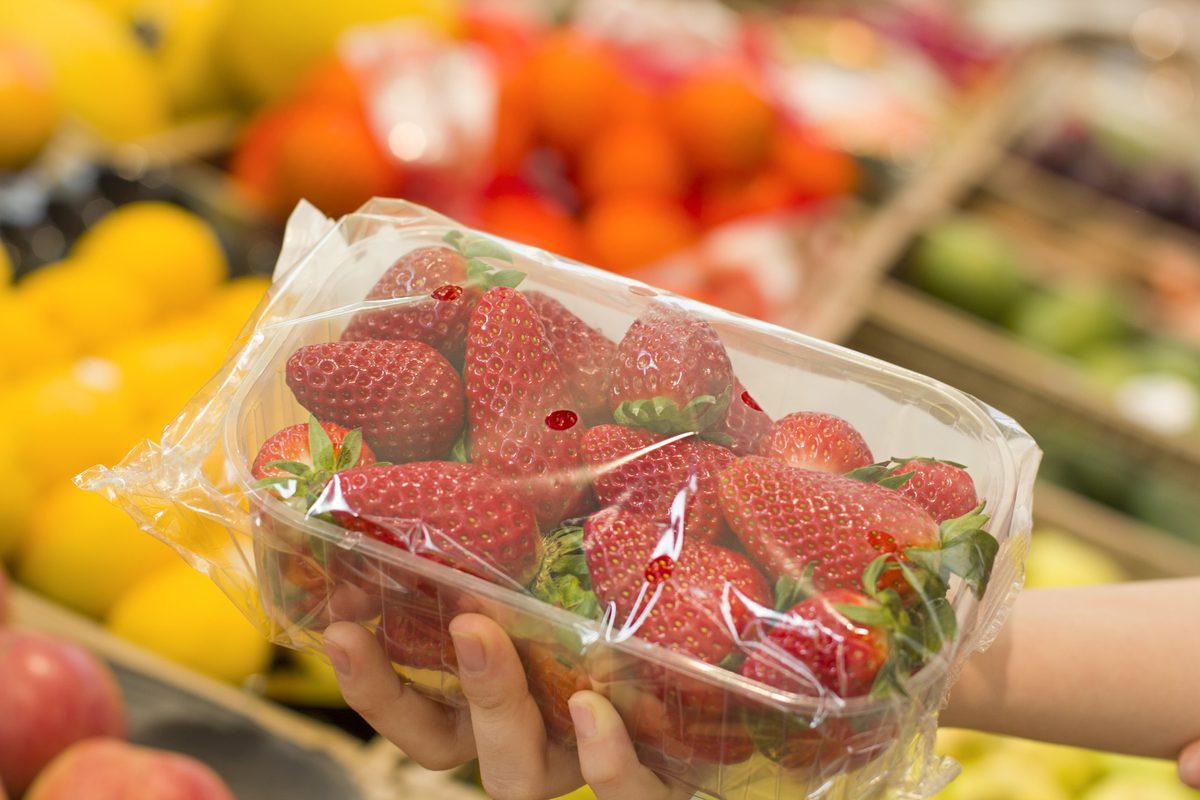

Red wine as a strawberry cleaner: is it worth trying?
You might raise an eyebrow. Red wine has disinfecting properties due to its tannins and alcohol content, and it can help dissolve surface-level pesticide residues. It is a less conventional method than vinegar, but it works.
The ratio is specific: mix one-third red wine with two-thirds water. Soak your berries for exactly ten minutes. Rinse them thoroughly afterwards. Skipping the rinse leaves a metallic or tannic taste that ruins the fruit. The upside is that you can serve the leftovers directly. “Fraises au vin rouge” is a real dessert. It is quick, elegant, and saves time during dinner parties.
Organic strawberries still need washing
Buying organic seems like the end of the problem. It mostly is. Certified organic agriculture prohibits synthetic pesticides. However, “pesticide-free” is a myth.
Organic growers are allowed to use natural pesticides. More importantly, drift from neighboring conventional farms can land on your organic berries. Rain, wind, and soil carry contaminants. Organic fruit is not a sterile object.
Washing organic strawberries removes dust, pollen, spores, and accidental chemical traces. It also extends shelf life. A clean strawberry tastes better and stays fresh longer. Do not skip the wash just because the label says bio.
Why thorough cleaning matters for long-term health
The link between pesticide exposure and chronic illness is getting clearer. Studies suggest that even low, cumulative doses over years can disrupt hormones, affect neurological development, and increase cancer risk. Children and pregnant women are the most vulnerable groups because their bodies are still developing or changing rapidly.
We cannot control every source of exposure. Air, water, and other foods carry traces. But washing fruit is one of the few levers you have. It is a simple, daily habit. It reduces intake without giving up flavor. You do not have to choose between safety and taste. Just rinse. Or soak. The goal is the same.


