


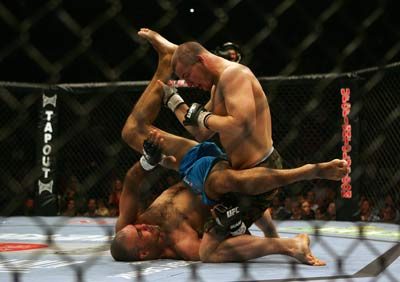
Dana White doesn’t mince words. The UFC president has been to the NBA Finals. He’s sat in the Super Bowl. He’s watched the biggest fight nights in Las Vegas history. Yet, he insists no other sport compares.
“The UFC is the best,” he says.
It’s a bold claim for Mixed Martial Arts. A discipline that nearly died in the late 1990s. Today, it is the premier MMA organization on the planet. The reinvention was brutal but successful. New fans poured in. The violence found structure.
How UFC Bouts Work
UFC events feature multiple bouts. Each fight is a one-on-one contest. Rounds are timed. Referees supervise. But the complexity goes far beyond boxing.
Standard matches last three rounds. Five minutes each. Championship fights stretch to five rounds. Fighters get one minute of rest between rounds.
Boxing restricts athletes to fists above the belt. UFC fighters break those walls. They use punches. Kicks. Elbows. Knee strikes. Takedowns. Submissions.
Striking below the belt is allowed, with minor restrictions. The style is hybrid. It draws from every martial art.
“Even the earliest UFC fights had rules that all athletes were expected to follow.”
The Myth of No-Holds-Barred
Early UFC marketing sold “no-holds-barred” (NHB) fighting. That label stuck in pop culture. It was inaccurate.
From day one, rules existed. Fighters couldn’t gouge eyes. They couldn’t fish-hook opponents. Striking the groin was forbidden.
The Nevada State Athletic Commission regulates these shows. They list 31 distinct fouls.
Breaking the rules invites penalties. Or disqualification.
Not every foul involves physical contact. Holding the fence is a foul. Using abusive language is a foul. Faking an injury is a foul. Dropping your mouthpiece to stall the clock is a foul.
The UFC website hosts the full list. It is extensive.
Drug Testing and Fair Play
The organization follows the Nevada State Athletic Commission’s drug policy. Performance-enhancing drugs are banned. Recreational drugs are banned.
Test positive before a fight? You don’t fight. You face discipline.
Win a fight, then test positive later? The result changes to a no contest.
The intent is clear. Fairness matters. Even in chaos.
Where Do Fights Take Place?
The next section covers the basics. It explains where these battles occur.
For more answers on sports performance, check Sharecare.com.

Why the Octagon Matters for MMA Fans
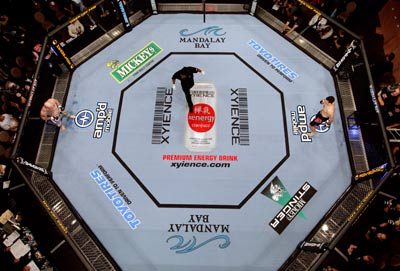
Most sports have a clearly defined boundary. Basketball has a court. Tennis has a baseline. MMA? The UFC Octagon is a different beast entirely. It’s not a ring. It’s an eight-sided cage. Specifically, it’s a 30-foot wide enclosure. The name gives it away. Eight sides.
The walls aren’t steel bars in the traditional sense. They are fencing material. You know the kind. Flexible. Strong. Designed to contain chaos. Every edge and corner is padded. Heavy padding. This isn’t just for comfort. It’s about preventing injury when fighters slam into the perimeter.
The floor tells a different story. It’s canvas. But here’s the thing: it’s custom painted for every single event. Once the night is done, that mat is trash. It never sees the light of day again. The visual change matters. It signals a fresh slate. A new narrative.
Access is strictly controlled. Two gates. That’s it. Before every round begins, those gates are secured shut. Locked down. You can’t just walk in. You have to wait.
Inside, it’s a sanctuary for violence. Only two people fight. And the referee. No cornermen allowed during the action. This keeps the playing field fair. It stops interference. It stops coaches from shouting instructions that could tip the scales.
But the rules shift between rounds. When the bell rings and the fighters retreat, the gates open. Officials unlock them. This is when the team steps in. Cornermen rush the floor. They aren’t there to fight. They are there to solve problems.
Strategic advice is spoken in a hurry. “Switch stances.” “Go lower.” “Don’t get tired.” But the physical reality is often more urgent. Fighters are cut. Scrapes are bleeding. The corner man’s job is to stop the flow. To clean the wound. To give the fighter a chance to survive the next three minutes.
It’s a brutal cycle. Lock down. Fight. Open up. Mend. Repeat.
The design forces intimacy. You can’t hide in a corner of a large ring. The cage surrounds you. It closes the loop. There is no escape. Only forward movement. Or backward. But always within those eight sides.
Does the cage make the fight harder? Some say it gives the grappler an advantage. Others argue it limits the striker. The truth is probably simpler. It contains the spectacle. And it protects the fighters from falling out of bounds. A fall out of bounds means a reset. The cage prevents that. It keeps the action centered. Always centered.
The mat is custom painted for each event and then never used again.
This detail matters. It highlights the transient nature of the sport. Tonight’s canvas is unique. Tomorrow’s is different. The history is written on the fighters, not the floor.
Consider the gate mechanism. It’s a simple lock. But it carries weight. It represents the boundary between preparation and execution. Inside, it’s pure instinct. Outside, it’s strategy. The switch happens in seconds. The gate swings open. The corner enters. The fighter breathes. Then the gate shuts.
Silence returns. The referee steps back. The bell is about to ring again.
Why does the shape matter? An octagon has eight corners. A

Why the Octagon?
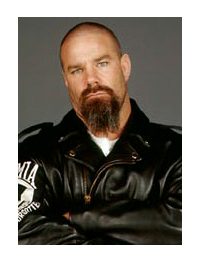
Competition happens inside a cage for a reason. Fighters aren’t allowed to leave the Octagon. You can’t try to heave your opponent over the side. It sounds ridiculous until you remember Tank Abbott trying to toss Carl Worsham over the fence in a past UFC bout. The design prevents that kind of chaos.
So why an eight-sided ring? Dana White points to the origins. The early UFC wanted to pit styles against each other. Boxing uses a square. Wrestling uses a circle. The Octagon was built to neutralize advantages. The angles are wider than boxing ring corners. A fighter doesn’t get trapped in a blind spot with no exit. The fencing border stops people from falling out. It’s a stable structure. Safety first. But also, spectators get a clear view.
How Rankings Work (Or Don’t)
There is no formal ranking system in the UFC. Each weight class has a champion, sure. But lists? Those are absent. Dana White argues that rankings complicate matchmaking. They invite corruption. Instead, Joe Silva, the vice president and matchmaker, calls the shots. He analyzes styles and records. He decides who fights for the most excitement. Prove yourself. Earn a title shot. That’s the path.
Which Weight Class Fits You?
The UFC recognizes five specific divisions. You fight only within your class. Moving up or down is up to you. It’s a strategic gamble.
- Lightweight : 145 to 155 pounds
- Welterweight : 155 to 170 pounds
- Middleweight : 170 to 185 pounds
- Light Heavyweight : 185 to 205 pounds
- Heavyweight : 205 to 265 pounds
Moving up usually means losing speed. Gaining mass slows you down. Moving down can strip away your striking power. It’s a trade-off.
Breaking Down Striking
Fighting techniques fall into three buckets. Striking. Grappling. Ground fighting. Let’s start with the stand-up.
Striking


Striking in the Octagon isn’t just throwing punches. It’s a mix of boxing footwork, Muay Thai knees, and sharp elbows. The rules are strict because the gear is minimal. Fighters wear those iconic fingerless gloves—4 to 6 ounces, lightweight compared to the 8–10 ounce boxing gloves you see in ring sports.
Thin gloves mean thin protection. Hit too hard or too often without care, and you’re risking your own hand structure. It’s a calculated risk.
You also can’t just blast away. The referee is watching. No kicking or kneeing a grounded opponent’s head. That’s an immediate foul. Pointed elbows? Banned. Strikes to the back of the head? Also banned. The sport balances aggression with safety, even if it looks brutal.
Takedowns and Submissions
Not everyone wants to stand and trade. Some fighters prefer the ground. They chase takedowns.
A takedown forces your opponent down. You can defend it with a sprawl—using your weight and leverage to keep your base. If you stay on your feet, you’ve survived the initial attack.
Takedowns range from simple off-balancing to spectacular slams or suplexes. Once you’re down, the game changes. Grapplers look for submissions.
A guillotine choke is a classic example. It can be applied standing or on the mat. The goal is to force a tapout or render the opponent unconscious. Most holds work best on the ground, where you have more control. But a well-timed standing submission can end a fight in seconds.
Ground Fighting
Once the fight hits the canvas, it’s a different sport entirely. Positioning matters more than power. Mount, side control, guard. Each position offers different opportunities for strikes or submissions.
Fighters who dominate on the ground control the pace. They dictate where the fight goes. If you can’t escape, you’re at their mercy.
The UFC format rewards versatility. You need to strike, grapple, and survive on the ground. Missing one link in the chain leaves you vulnerable.
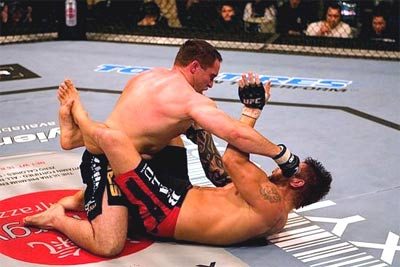

Most combat sports stop when fighters hit the floor. Boxing doesn’t care about the ground. Kickboxing often does too. The UFC is different. Fights keep moving even when bodies hit the mat. Strikers dive in for ground and pound. Grapplers hunt for submissions. The action doesn’t pause.
Positioning dictates the flow. One fighter usually ends up on top. You’ll hear commentators shout out specific control points. Guard is the baseline. Half guard is a half-step up. Side control locks the hips. Full mount pins everything down. These aren’t just pretty words. They describe exactly where Fighter A’s legs sit relative to Fighter B’s hips. If Fighter A is on the bottom with legs wrapped around Fighter B’s waist, Fighter B is inside the guard. Simple geometry. Deadly intent.
Success in the Octagon demands versatility. You can’t just be a striker. You can’t just be a wrestler. Fighters train all three phases. Striking. Wrestling. Submission grappling. Most athletes have a preferred style. Maybe they came up through Jiu-Jitsu. Maybe they were high school wrestlers. Maybe they started with Muay Thai. But almost all of them know the basics of the other disciplines. Ignorance is a liability.
How Winners Are Decided in UFC Matches
You can knock someone out. You can make them tap. Or you can outscore them. That’s the hierarchy.
1. Knockout (KO) or Technical Knockout (TKO)
This is the fastest way to leave the cage. A fighter lands a clean shot. The opponent doesn’t get up. The referee waves it off. Sometimes the ref steps in before the final blow lands. That’s a TKO. It’s ugly. It’s effective. It’s the crowd’s favorite.
2. Submission
Pain wins fights. A fighter locks in a choke or a joint break. The opponent taps out. Literally taps the mat or their own body. The fight stops immediately. No more damage. No more debate. This is where ground and pound meets technical precision. If you’re stuck in mount, you’re in trouble. If you’re caught in a rear-naked choke, you’re in trouble.
3. Decision
Not everyone wants to finish the fight. Some prefer to outpoint their opponent. Five-round championship bouts are common. Three rounds for the rest. The judges score each round. They look at effective striking. Grappling control. Ring generalship. They use the 10-point must system. The winner of the round gets 10. The loser gets 9 or less. It’s close. It’s controversial. It happens.
Which method feels most satisfying to watch? A brutal KO? A slick submission? Or a strategic decision win? There’s no right answer. Just different paths to the same belt.
For deeper insights into athletic performance and training methods, check out Sharecare.com.
Breaking Down UFC Victory Conditions
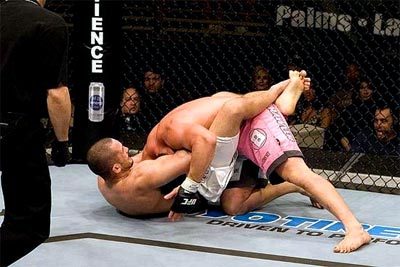
Winning in the UFC isn’t just about landing the hardest punch. It is a complex mix of striking, grappling, and surviving chaos. You have two main paths to victory if you aren’t going the distance. One involves making your opponent quit. The other involves the referee stepping in to save a fighter.
How Submission Wins Work
A submission win happens when your opponent physically taps out or verbally submits. It is not a sign of weakness. It is considered an honorable way to lose. In many sports, quitting ends your career. In the UFC, it is a tactical exit.
Fighters submit for specific reasons. They might be unable to defend against strikes. Or they might be caught in a painful hold. An armbar can hyperextend a joint. An ankle lock twists the foot past its breaking point.
Unlike other sports, submitting to your opponent is considered an honorable way to lose a fight.
Some submissions are silent killers. A rear naked choke cuts off air or blood flow to the brain. The fighter loses consciousness before they can tap. It is a knockout by pressure. You do not need to hit them. You just need to control them.
Understanding Technical Knockouts
A technical knockout (TKO) is different. The referee stops the fight. They do this when a fighter cannot defend themselves intelligently. The referee watches closely. They look for eyes that are glazed over. They look for a fighter who is floating rather than fighting.
Referees have a tough job. They must judge rapidly changing conditions. The action is often chaotic. There is no standing eight count in MMA. This is a key difference from boxing. In boxing, a referee counts to eight. In the UFC, if a fighter is hurt, the fight is over.
A TKO can happen in any position. Your opponent might be on their back. They might be on their feet. If they cannot escape or defend, the bell rings. The fight stops. It is not about who lands more shots. It is about who can survive the damage.
Why These Methods Matter
Knowing how wins occur changes how you watch. You stop looking for just the knockout. You look for the setup. You watch the hands. You watch the hips.
Striking and grappling are not separate. They feed into each other. A good strike forces a defensive posture. That posture creates an opening for a takedown. A takedown forces a scramble. That scramble leads to a choke.
The UFC is a puzzle. The pieces are pain and pressure. The solution is surrender or survival. If you understand the taps and the stops, you understand the sport. You see the strategy behind the violence.
Who wins next? It might be the one who stays calm. It might be the one who sees the opening first. The game is always shifting.
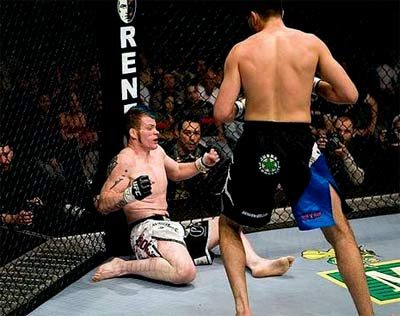

When neither fighter taps out and neither man stays down, the decision falls to the officials. It’s not a popularity contest. It’s a math problem with flesh and blood.
The system is straightforward on paper. Three judges watch the war. They use the 10-point must system for every single round. Win the round? You get a 10. Lose it? You get a nine or lower. That lower score usually comes from taking damage, being too passive, or getting penalized for fouls. If you do nothing all round, you might even drop to an eight.
At the bell, judges tally the points. How the final verdict lands depends on their agreement.
If all three judges pick the same fighter, it’s a unanimous decision. Clean. Simple. The crowd roars.
Split decision is where things get dicey. Two judges see Fighter A winning. The third judge sees Fighter B taking it. The margin is razor-thin. You won the battle, but you lost the war in the eyes of the third official.
Then there’s the majority decision. Two judges score it for one fighter. The third judge calls it a draw. You win, but barely. It leaves you wondering if that third judge was asleep at the wheel or just seeing something no one else did.
Not Just Points on Paper
You don’t have to survive three rounds to walk away with the belt. The technical decision exists for a reason. If your opponent suffers a non-foul injury that stops the fight, you can be declared the winner. It’s not your fault he broke his hand. But the fight is over. You get the W.
Disqualification is the nuclear option. If your opponent violates the rules hard enough, the referee waves it off. You win by DQ. It’s rare, but it happens. And then there’s the forfeit. Maybe the fighter is sick. Maybe he’s injured and can’t make weight or stand in the cage. He drops out. You win by forfeit. It’s an easy win, sure, but it doesn’t feel like a victory. You didn’t beat him. He just gave up.
The Draw and The No Contest
Fights don’t always end with a winner. A standard draw happens when the judges’ scores cancel each other out completely. Or maybe they all see it as a tie. It’s anticlimactic. Fans boo. Fighters shake hands and go home with split purses.
A technical draw is similar but stems from injury. If both fighters are too hurt to continue and it wasn’t a foul, the referee calls it off as a draw.
A no contest is messier. If a fighter gets fouled badly and can’t continue, the fight is voided. It didn’t happen. Your record stays the same. No win. No loss. It’s frustrating for bettors and fans who wanted a final answer.
The Subjectivity Trap
UFC fights are messier than boxing. Judges aren’t just counting punches. They’re watching grappling exchanges, takedowns, and ground control.
Strikes matter. Land more? You’re likely winning. But ground fighting complicates the score. Top position is usually dominant. Bottom is usually defensive. Not always.
Some fighters on the bottom are so effective at escaping or setting up submissions that judges will award them the round. It’s controversial. Dana White has said it himself. Judging is subjective.
“Being a judge is very subjective . . . the main thing you have to judge, round by round, is who did the most damage.”
Damage is the key. Not just strikes. Control. Aggression. Who looks like they’re winning the war, not just the skirmishes? It’s hard to call. Really hard.
One moment a fighter is dominating on feet. Next, he’s flattened. The dynamic shifts. One mistake on the ground can turn a loss into a submission victory. It’s why we watch. The unpredictability. The chaos.
Judges have to catch all of it. In real time. From two different angles, plus their own seats. They miss things. They disagree. And sometimes, the “most damage” is just a bruised ego and a few clean shots that don’t show up on the stat sheet.
We’ll get to the judging controversies next.
It started with a challenge. Before it was a billion-dollar global spectacle, the Ultimate Fighting Championship was just Rorion Gracie trying to prove his family’s martial arts school actually worked. He wasn’t interested in flashy moves designed for the spotlight. He wanted techniques that worked in a real, gritty fight. This philosophy was already legendary thanks to the Gracie Challenge.
The open invitation was simple: any expert in any fighting style could step up and face a member of the Gracie family or one of their students. It was a real fight. No rules, just results.
To turn this concept into a business, Rorion teamed up with Arthur Davie, an advertising executive. Davie pitched the idea of a martial arts tournament to the Semaphore Entertainment Group (SEG). The goal was straightforward. Fighters from different disciplines would go head-to-head to determine which style was truly superior.
“The winner of a match moved up in the tournament to face another opponent.”
Who came up with the name? Reportedly, SEG employee Michael Abramson. He coined the term “The Ultimate Fighting Championship.” That name stuck. On November 12, 1993, SEG debuted the first event. History now calls it UFC 1.
The format was pure elimination. A tournament. If you won, you moved closer to the prize. If you lost, you were done. Davie added a twist: he designated some fighters as alternates. If a participant couldn’t continue, the substitute jumped in.
The roster was wild. You had masters of karate. Kickboxers. Boxers. Jiu-jitsu practitioners. Even a sumo wrestler. It was a clash of styles that had never seen each other in this context before.
Royce Gracie, Rorion’s younger brother, took it all the way. He didn’t overpower everyone. He outmaneuvered them. In the final bout, he caught Gerard Gordeau in a rear naked choke. Gordeau tapped out. Royce won the tournament.
The event was a success. Immediately, SEG started planning the next one. They kept the name. They started numbering the events sequentially. UFC 2 was next. Then UFC 3. The foundation was laid. The rest is history.

How Early UFC Rules Shaped Modern MMA
The first few Ultimate Fighting Championship events looked nothing like the slick, regulated spectacles we see today. There were no weight classes. A lightweight grappler might find himself locked in a clinch with a sumo wrestler. It wasn’t until UFC 12 that weight classes were formally defined, and even then, they would be tweaked repeatedly in the years that followed.
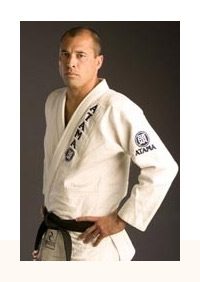
Fighters were allowed to wear traditional gear. You saw black belts and gis for jiu-jitsu practitioners, creating a strange visual mix of sport and tradition. Round lengths were experimental. Some early cards had no time limit on rounds. The goal was simple: let the fight go on until a winner was clearly established. No quick stops. No time-outs.
This style-versus-style format didn’t last. Ground fighting became the decisive factor. Many disciplines in those early lineups had zero focus on grappling. Royce Gracie proved the point by winning three of the first four tournaments. He didn’t just win. He humiliated opponents who had no answer for the ground game. Fighters had to adapt. They started blending wrestling and submissions into their arsenals. The era of the pure martial artist faded. The UFC quickly realized that a black belt didn’t guarantee a good fighter.
Why Early Fights Lacked Regulation
Regulation was non-existent for a long time. The UFC held early events in states without athletic commissions. This was a deliberate move to avoid oversight. There were no judges. Even after judges were eventually introduced, there were no clear scoring criteria. Referees had limited power. They couldn’t stop a fight. Their only jobs were to enforce the few existing rules and witness submissions.
Fortunately, the UFC gave referees the authority to stop fights after the first few events. It was a necessary evolution. Without it, the sport would have collapsed under its own brutality.
Tournament formats dominated until UFC 18. From UFC 23 onward, events featured single matches. Fighters no longer had to worry about fighting multiple times in one night. This change helped stabilize the sport. It gave fighters time to recover. It made the competition fairer.
Dana White has said the evolution was haphazard. The first event was meant to be a one-off. It did well on pay-per-view. So they did another. And another. Nobody thought they were creating a sport. They were just seeing what would happen.
How Political Pressure Killed SEG
The Straight Edge Group (SEG) promoted these events as brutal exhibitions. They claimed no holds barred. They claimed a clear winner would always emerge. This marketing invited scrutiny. Senator John McCain called it human cockfighting. He urged governors and city governments to ban UFC events.
Venues canceled last minute. Cable companies refused to carry pay-per-views. SEG’s options dwindled. They resisted partnering with athletic commissions for too long. By the time they adopted rules from the New Jersey Athletic Control Board, it was too late. SEG was facing bankruptcy.
From UFC 23 to UFC 29, SEG couldn’t afford to release events to home video. Financial trouble crippled their ability to promote shows. Political pressure made booking venues nearly impossible.
The Fertitta Takeover
In 2000, SEG promoted UFC 29: Defense of the Belts. It was their last event. The company went bankrupt.
Two brothers, Frank Fertitta III and Lorenzo Fertitta, formed Zuffa, LLC. Zuffa means to fight or to scrap in Italian. They bought the UFC. Dana White, former amateur boxer and fight promoter, became president.
Lorenzo Fertitta had been a member of the Nevada State Athletic Commission. Soon, the commission oversaw UFC events. This gave the sport credibility. Cable companies started carrying pay-per-views again. The groundwork was laid for a new era.
“Never in a million years did these guys think they were creating a sport.”
The transition wasn’t smooth. It was messy. But it was necessary. The UFC survived because it adapted. It added rules. It embraced regulation. It stopped pretending to be something it wasn’t.
The modern UFC is built on the bones of those early, chaotic events. Without the failures of SEG, there would be no Zuffa. Without Zuffa, there would be no UFC as we know it. The sport changed because it had to. Or it would have died.
We’ll look at how the new company reinvented the Ultimate Fighting Championship next.

The landscape shifted in 2001. UFC 30: Battle on the Boardwalk wasn’t just another card. It was the first event promoted by Zuffa. That deal changed everything. It brought back wider pay-per-view coverage. It also brought home video production back to the sport.
Since then, Dana White has been on a mission. He wanted to strip away the “barbaric” reputation that plagued the early days. He knew the public image mattered. White was clear about who these athletes actually were.
“At the end of the day, these guys aren’t barbarians the way they were sold early on. These guys are all good guys . . . they come in to compete to find out who’s the best fighter in the world.”
That narrative shift was essential. But seeing is believing. And for years, you had to pay top dollar to see it.
Breaking the PPV Barrier
The real game-changer arrived in 2005. Spike TV aired the first season of The Ultimate Fighter. This wasn’t just a promotional spot. It was a full reality series.
It followed a group of hopefuls. They lived together. They trained in camps. They fought for a UFC contract. Each episode ended with a bout. One team member faced off against the other. The winner stayed. The loser went home.
This format did two critical things. First, it educated viewers. You learned the rules. You saw the strategy. You understood the stakes. Second, and most importantly, it broke the pay-per-view wall.
For the first time, mainstream cable audiences could watch UFC fights without opening their wallets. It introduced the sport to people who had never watched MMA before. The spike in interest was immediate. The show became a cultural phenomenon.
Why It Worked
The structure was simple but effective. Viewers became invested in the fighters. They cared about who won each episode. The drama wasn’t just in the ring. It was in the locker room. It was in the training.
This accessibility helped the UFC shed its niche status. It became mainstream entertainment. The show was a success so large that it was scheduled for at least two more seasons immediately.
The strategy worked. By lowering the barrier to entry, the UFC grew its fanbase exponentially. They didn’t just sell fights. They sold stories. And those stories led to contracts. Those contracts led to champions.
We’ve seen how the past decade transformed the product. But what happens next? The organization isn’t standing still. The plans for the future are already taking shape.

White Eyes Global Expansion and Pride Merger
The Fertitta brothers bought Pride Fighting Championship in March 2007. That’s not just a purchase. It’s an announcement. Dana White, the UFC president, says the dream match fans have wanted for years is now possible. Real reality.
The idea is simple. The best from Pride. The best from the UFC. But plans are early. Very early. Fight fans might soon see who truly dominates each weight class.
UFC headquarters sit in Nevada. That’s the base. But the company is expanding. Live events in other states. International tours. You can already watch UFC on TV in 170 countries. White wants live events there too. He wants roots. He wants word of mouth.
“When you take the live event somewhere and you get 15,000 or 20,000 people to show up… they talk to their relatives. They talk to their friends. It starts to spread.”
That’s the strategy. Growth relies on that spread. Europe. Japan. Canada. Mexico. Those are the targets for live shows.
Fans have options now. Pay-per-view. About once a month. “The Ultimate Fighter.” Spike TV. “Fight Night” specials. DVDs. Live events. It’s everywhere. Almost. Events 23 through 29 are still missing. Not available commercially yet. A gap in the catalog.
UFC FAQ
How much does it cost to go to a UFC fight?
Average ticket price is $208. Sometimes it drops to $64. Depends on the event. Depends on the location.
Who is the richest UFC fighter?
Conor McGregor. Estimated net worth sits around $120 million. Currently the top earner in terms of personal wealth.
Where can I watch UFC events live?
Most are pay-per-view. Watch on the UFC website. Or ESPN+. Streaming services handle the live stream now.
What exactly is MMA?
Mixed martial arts. Hybrid combat sport. Techniques pulled from multiple styles. Boxing. Wrestling. Judo. Jujitsu. Karate. Muay Thai. It’s all in there.
Why is MMA illegal?
It isn’t. It’s one of the fastest-growing sports in the U.S. The UFC popularized it. Huge scale. Introduced legions of fans. As recently as 2016. New York lifted its ban. State bans are falling.
Related Links
- How Boxing Works
- How Karate Works
- How Pro Wrestling Works
- How Muscles Work
- How Performance-enhancing Drugs Work
More Great Links
- Ultimate Fighting Championship
- Nevada State Athletic Commission
- Sherdog
- MMAFighting.com
Sources
- Cauchon, Dennis. “Amateur fighting rounds up crowds and controversy.” USA Today. 2006.
- Gentry, Clyde. “No Holds Barred: Ultimate Fighting and the Martial Arts Revolution.” Milo Books Ltd. 2002.
- Montgomery, Cliff. “This History of the UFC.”
- Ultimate Fighting Championship
- “UFC – About the Event.”
- White, Dana. Personal interview conducted on April 16, 2007.


