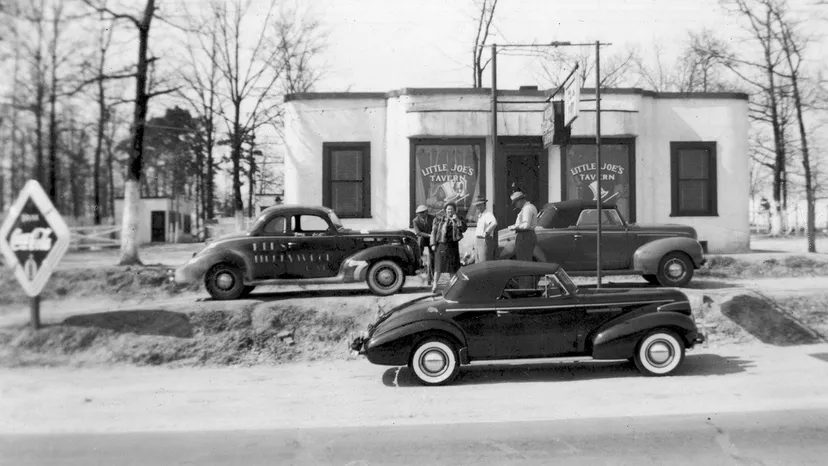
They distilled 100 gallons of White Lightning in a temporary still. It’s 150 proof. You carefully loaded the jars into the trunk of your black 1940 Ford coupe and buried it under old coats and blankets to muffle the sound and cover the shine. The law hasn’t found you yet. The engine under the hood is not stock; it is an ambulance V-8, modified to scream. Driving through the Appalachian foothills, weaving through switchbacks, dodging deer and hauling loads that will turn your car into a fireball in no time.
This is not a crime scene waiting to happen. This is the origin story of NASCAR.
Even after the end of prohibition, the desire to manufacture and transport alcohol continued. The 18th Amendment outlawed the use of spirits, but that didn’t stop “spirits” entrepreneurs from filling the void. Even after the 21st Amendment repealed Prohibition, the culture of illegal smuggling continued for decades. In the southern countryside, making moonshine is not only hard work, but also a pain in the back. It’s a way of life. And moving it required speed.
The Southern Hospitality of Speed
为了逃避收税者的追捕,走私者需要比法律更快的汽车。 他们采用标准车辆并对其进行了升级。 他们比警察更了解北卡罗来纳州、南卡罗来纳州和佐治亚州的偏远地区。 他们可以在关闭前灯的情况下驾驶这些危险的道路,完全依靠肌肉记忆和仪表板的发光来导航绿树成荫的路线。
But these runners were not just fleeing the law. They were competing with each other.
比赛在公路上自发开始。 谁能跑得过警长? 谁能运送最多的威士忌而不被抓到? 很快,这些非法的速度测试就转移到了牧场上的土路上。 竞争性的驱动力与现代赛车运动相同。 机器不同,赌注更高,观众更少,但精神是一样的。 赛车运动的诞生源于超越权威的需要。
From Outlaws to Organizers
By 1947, the horse racing world was in turmoil. Drivers, mechanics and car owners all need structure. Horse racing celebrity Big Bill France chaired the meeting to standardize the rules. As a result, NASCAR was born.
The transition from illegal transportation to organized sports was quick. On February 15, 1948, just two months after NASCAR’s founding, NASCAR held its first official race. Filming took place on the hard sand of Daytona Beach, Florida. The participants? Almost entirely moonshine runners. Red Byron won that inaugural event. A week later, NASCAR was formed with France at the helm, and he eventually passed the reins to his son.
Mainstream success
The growth was exponential. In 1950, NASCAR held its first 500-mile race, the Southern 500. The sport shed its outlaw image and gradually replaced the dangers of the law with the dangers of fast competition. By 1989, all NASCAR races were televised. Sponsorships became lucrative. A driver who was once considered a criminal is invited to the White House.
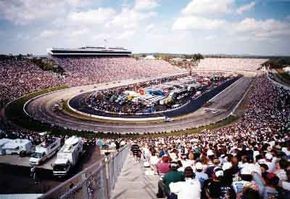
Today, NASCAR is the cornerstone of American motorsports. The 2016 Daytona 500 averaged 11.4 million television viewers. The cars are still fast, the drivers are still brave and the fans are still loyal. The only thing missing is illegal alcohol.
The connection between moonshine runners and today’s NASCAR drivers is more than just historical trivia. This is the basis of sport. The skills honed on dark, twisty back roads are the same skills used on super speed tracks. The cars may look different, but the spirit of the machines is the same: speed, power and the inability to slow down.
It is ironic that a sport built on illegality treats its participants as American heroes. But for those who know history, the connection is clear. Every time a car crosses the finish line in a NASCAR race, it uses more than just gas. This facility is built on the legacies of those who once fled for their lives.
The trunk is now empty. The bottle is gone. But the game goes on.