Reducing traffic deaths isn’t supposed to be a political debate. Yet that is exactly how the U.S. treated a critical global agreement yesterday. At the United Nations General Assembly, a declaration on improving global road safety passed with near-unanimity. One hundred and sixty-two member states voted in favor. The United States was the only holdout.
It’s not like other dissenters were hiding their tracks. Argentina, which is also distancing itself from the UN’s World Health Organization due to sovereignty concerns, voted yes. They had reservations, sure. But they didn’t block the motion. The U.S. stood alone in saying no.
The stakes of that vote are concrete, not abstract.
The 2030 Goal and American Exceptionalism
The declaration itself reiterates a simple, urgent target: halve the number of traffic deaths and injuries globally between 2021 and 3030. It asks governments to pick a lead agency. To fund it. To fix public transit. It outlines 48 specific pledges for safer streets, focusing heavily on those most vulnerable to traffic violence—pedestrians, cyclists, and schoolchildren.
Dan Negrea, the U.S. representative, didn’t mince words. Negrea, a former Romanian government official who sought asylum in the U.S., has spent decades on Wall Street. His approach at the UN seems less about diplomatic nuance and more about ideological combat. He accused the assembly of conflating road safety with climate action.
He argued the declaration was a “backdoor vehicle” for enforcing global climate pacts and restricting “freedom of mobility.”
It’s a strange complaint.
Cutting down on cars does reduce emissions. It also reduces the fumes choking us. Cleaner air means fewer respiratory illnesses. The health benefits overlap significantly. You can’t easily separate the public health crisis of traffic fatalities from the environmental crisis of pollution. They are tied at the hip.
Negrea called the declaration both a “symbolic global gesture,” implying it does nothing, and a tool for top-down enforcement, implying it does too much. The logic doesn’t hold up. But it fits a pattern.
Federal Policy vs. Global Standards
Negrea’s stance aligns perfectly with the current federal administration’s domestic behavior. The Trump administration has actively pulled funding for bike lanes. It has de-emphasized pedestrian safety in infrastructure bills. It has turned what should be a mundane public health issue into a culture-war flashpoint.
Road safety touches everyone. It cuts across political stripes. Yet the current White House prefers to frame it as an attack on individual freedom.
This isn’t just rhetoric. In his 2025 Senate confirmation hearings, Negrea pledged to bring an “unapologetic defense of America’s sovereignty,” wrapped in a package of “American exceptionalism.” That worldview doesn’t leave much room for international cooperation on things as basic as keeping people alive on the highway.
The Real Cost of Inaction
Is Negrea right about it being just a symbolic gesture? Maybe.
If governments don’t fund the recommendations, the declaration is just paper. If politicians are too scared to raise fares on transit or lower speed limits to save lives, the targets are unachievable. The world is failing to act.
The numbers are stark. In 2025, over a million people died on roads globally. Only 10 countries have actually hit the 50% reduction target ahead of schedule. The rest are lagging. The U.S. is particularly off-track.
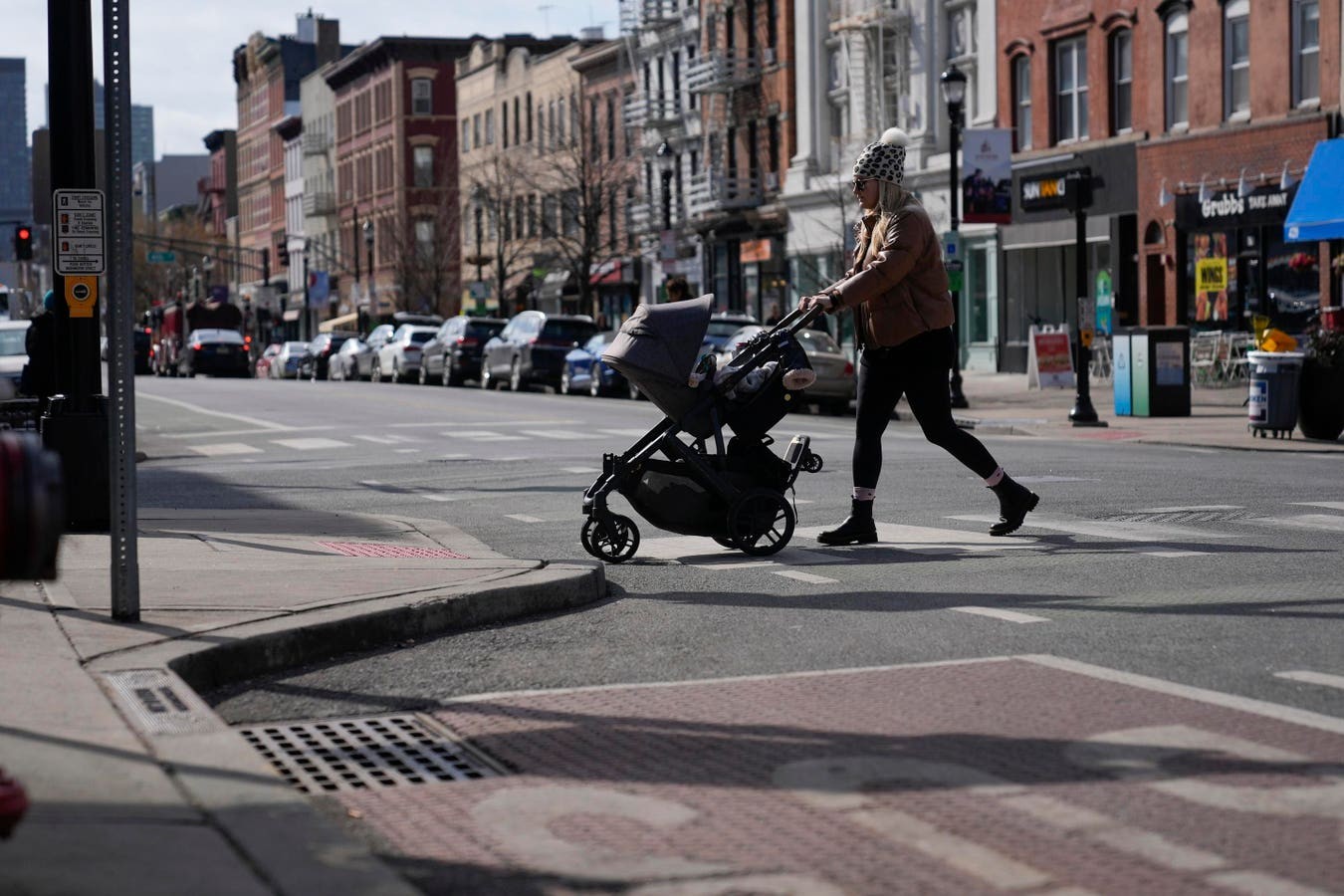
Pedestrian death rates in America are climbing. It is becoming more dangerous to simply walk down the street. This isn’t an inevitability. It’s a design failure.
Designing Safer Streets
We already know how to fix this. It doesn’t require complex technology.
Strengthening public transit makes cars optional. Better trauma care saves lives after crashes. Existing technology helps. But the most effective tool is thoughtful road design. Narrowing lanes. Reducing speeds. Separating bikes from cars. These changes are cheap. They are proven.
The declaration lists the solutions. Almost every country agrees with them.
The U.S. disagrees. Not because the data is unclear. Not because the solutions are impossible. But because of an ideology that views international cooperation as a threat and traffic safety as a choice rather than a necessity.
Millions are still dying. The road ahead is open. And America has voted to ignore it.