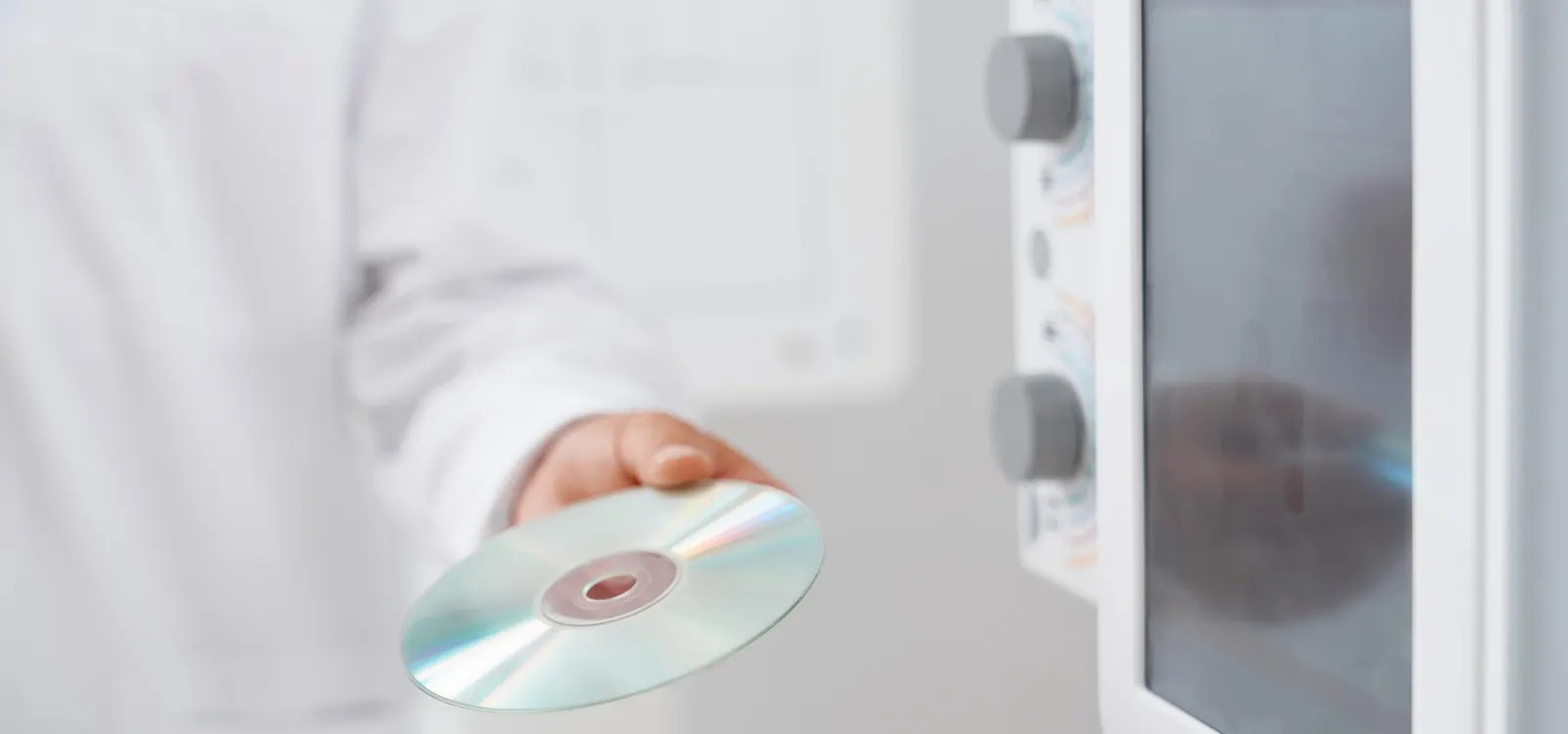
Fax machines. Compact Discs. Two technologies from a bygone era, yet they still run the heartbeat of American medicine.
This was the undercurrent at the Axios Future Of Health Summit this week. Washington, D.C., bustling with promises of AI and modernization. But peel back the surface? You hit a hard limit. The underlying architecture of U.S. healthcare still can’t reliably move information between people, platforms, or institutions.
Whether talking about maternal health or transplant logistics, every conversation eventually bumped into the same wall: the plumbing is broken.
The Fax Machine Survived
CMS Administrator Dr. Mehmet Oz highlighted it bluntly. He announced an expansion of “Axe the Fax” with major players like Cleveland Clinic, Epic Systems, and Oracle.
The problem? Nearly half of all prior authorization requests still travel by fax.
Dr. Oz joked that doctors spend enough time handling these requests each year to re-watch every episode of The Simpsons twice. 69 days of their lives, gone.
The room laughed. A nervous, resigned chuckle. It’s the kind of laughter that says, “I know. It’s hopeless, isn’t it?”
The comment triggered knowing nods around the ballroom.
Healthcare digitized records. We built portals. We moved to the cloud. We slapped AI on top. And yet, clinical data exchange still relies on disconnected systems and manual outreach. Patients carry the data physically. Staff spend days compensating for silence between systems.
It Still Moves At Human Speed
Caryn Seidman Becker of CLEAR described this gap personally. Her husband battled stage 4 pancreatic cancer. The technology for identity infrastructure exists. But moving scans? Still means carrying CDs.
I have a drawer of MRI discs. So does my partner, after her own health battles. Some in paper sleeves, some loose and forgotten.
Who holds the burden? Patients. The people already sick, tired, and overwhelmed, trying to stitch together siloed environments while providers stare at repetitive clipboard forms, searching for records that should be one click away.
We ask patients to manage their care while giving them zero control over their records. The contradiction stings.
Silence When The Stakes Are High
This isn’t just about administrative friction. It kills.
Charles Johnson spoke of pleading for help as his wife, Kira, bled internally after a C-section. His group, 4Kira4Moms., pushes for intervention in these failures.
The room went quiet. Not polite silence. Real silence. Phones lowered. Stakes raised.
HRSA Administrator Tom Engels wants organ transplant coordination to work like Amazon package tracking. Real-time updates. Visibility.
It seems insane, doesn’t it? We track delivery drivers to the second but lose hospital imaging in the ether.
The Phone In The Chair
Senator Peter Welch argued this infrastructure debt shifts costs and anxiety onto patients. They pay more, know less.
A moment summed it up, though no recap will likely include it.
Senator Welch left his phone on Dr. Oz’s chair. Dr. Oz found it. Asked jokingly, “What do I do?”
Welch laughed. Pretended to make a call. Got his phone back.
For those seconds, the polished summit facade cracked. It felt improvised. Messy. People scrambling to reassemble lost pieces.
That’s healthcare today. We’ve built sophisticated tech on a foundation that leaks. If information doesn’t follow the patient…
What are we even building?