Key takeaway: Certain fruits and vegetables contain compounds that may help improve blood flow by reducing blood clot risk. While not as potent as medication, integrating these foods into a balanced diet can support cardiovascular health.
How Foods Affect Blood Circulation
Some foods contain salicylates, natural chemicals that act like mild blood thinners by preventing platelets from sticking together. This reduces the risk of dangerous clots forming in your arteries and veins. The benefit lies in supporting natural processes rather than relying solely on medication; however, moderation is key for those on existing blood thinners.
The 7 Foods That May Help
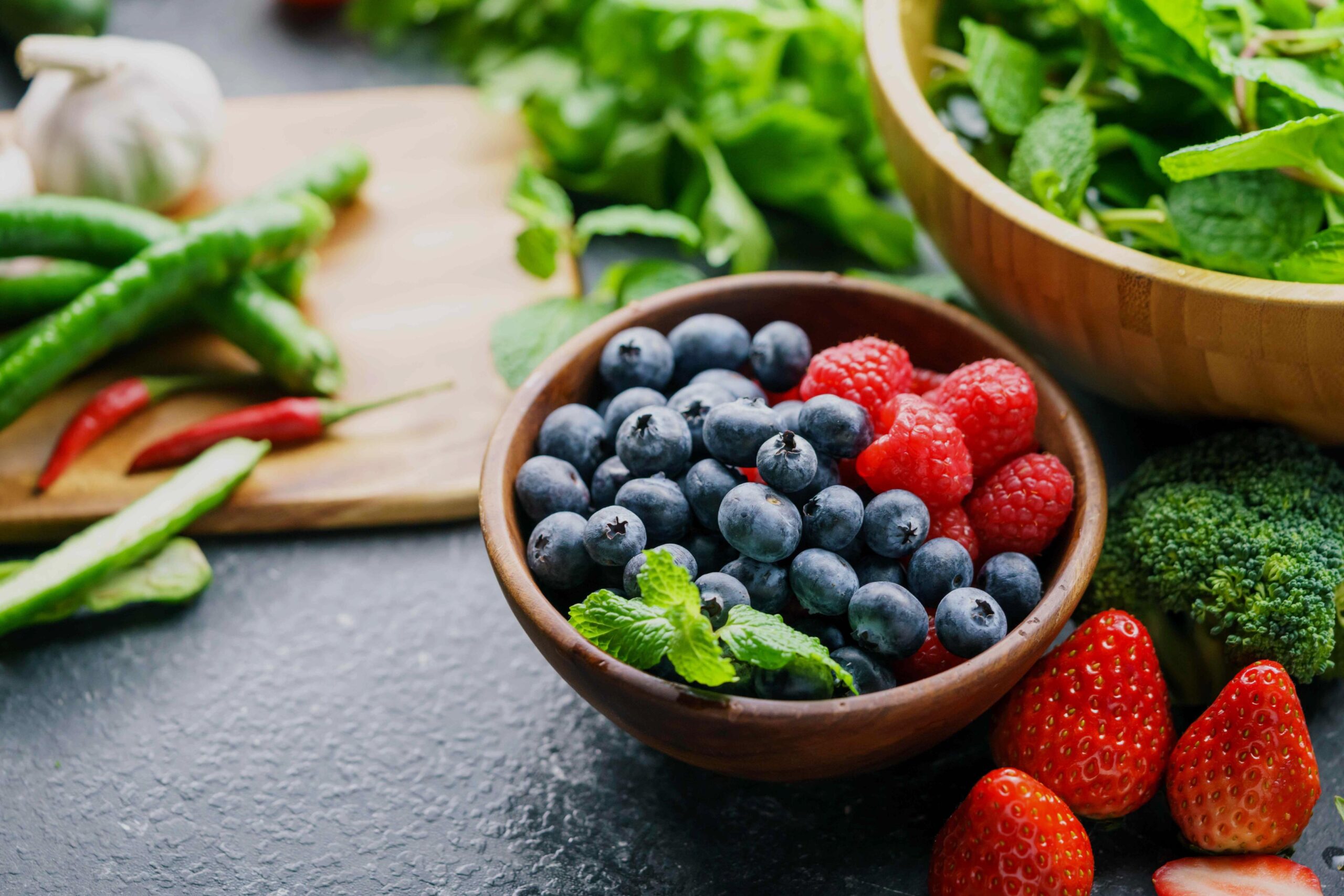
- Berries: Blackberries, blueberries, cranberries, and strawberries are packed with salicylates, antioxidants, and anti-inflammatory compounds. Studies show they can reduce platelet aggregation and even lower blood pressure.
- Citrus Fruits: Oranges and grapefruits contain flavonoids that improve blood flow by relaxing blood vessels and reducing stiffness. This allows blood to circulate more freely.
- Grapes: Rich in flavonoids and polyphenols, grapes (especially grape seed extract) may slow down blood clotting. Caution: Grape seed extract is a supplement and can interact with medications.
- Pomegranates: These fruits are loaded with polyphenols and nitrates, which convert into nitric oxide in the body. Nitric oxide widens blood vessels, increasing blood flow and reducing blood pressure.
- Leafy Greens: Kale and spinach are high in nitrates, which improve heart health and reduce platelet aggregation. Note: People on warfarin (Coumadin) should consult a doctor before significantly increasing leafy green intake due to vitamin K content.
- Garlic: Contains allicin, a compound with antiplatelet effects. While more research is needed, garlic may help promote blood flow.
- Onions: Like garlic, onions are rich in antioxidants and anti-inflammatory properties, helping blood flow more easily.
Risks and Considerations
These natural blood thinners are not as powerful as prescription medications like aspirin. Most healthy adults can safely consume them, but individuals on blood thinners (like warfarin) should exercise caution. Combining these foods with medication can increase bleeding risk, including internal bleeding.
“While natural blood thinners offer potential benefits, they are not a substitute for medical treatment. Always discuss dietary changes with your doctor, especially if you take medications.”
Final Thoughts: Incorporating these foods into a balanced diet may support cardiovascular health, but moderation and medical consultation are essential for those on blood-thinning medications. The goal is to complement existing treatments, not replace them.