Many assume dehydration is only a summer concern, but cold weather poses a significant hydration risk that often goes unnoticed. Experts explain that indoor heating, excessive layering, and reduced thirst all contribute to fluid loss during the winter months. Ignoring these factors can lead to subtle but impactful health consequences.
The Hidden Dangers of Winter Fluid Loss
The human body requires around 15.5 cups of water daily for men and 11.5 cups for women, but winter conditions make meeting these needs more challenging. Here’s why:
- Dry Indoor Air: Heating systems strip moisture from the air, increasing fluid evaporation from your body without you necessarily feeling overheated.
- Overdressing: Layering up traps sweat against your skin, leading to unnoticed fluid loss. You may not feel hot, but your body is still working to regulate temperature.
- Reduced Thirst: Cold weather naturally suppresses thirst, causing people to drink less water than needed.
Recognizing the Signs of Dehydration
Mild dehydration can manifest as headaches, dry skin, dizziness, and fatigue—often mistaken for other issues. More severe symptoms include muscle cramps, constipation, and a noticeable lack of energy. Prolonged dehydration can lead to confusion, fainting, or even shock, requiring immediate medical attention.
Beyond general discomfort, dehydration impairs cognitive function, reducing concentration, processing speed, and memory. For athletes or active individuals, this can increase injury risk due to slowed reaction times and impaired focus.
A simple indicator is urine color: pale yellow means you’re well-hydrated, while dark yellow or orange suggests dehydration.
Simple Strategies for Staying Hydrated
Maintaining adequate hydration in winter doesn’t require drastic changes. These tips can help:
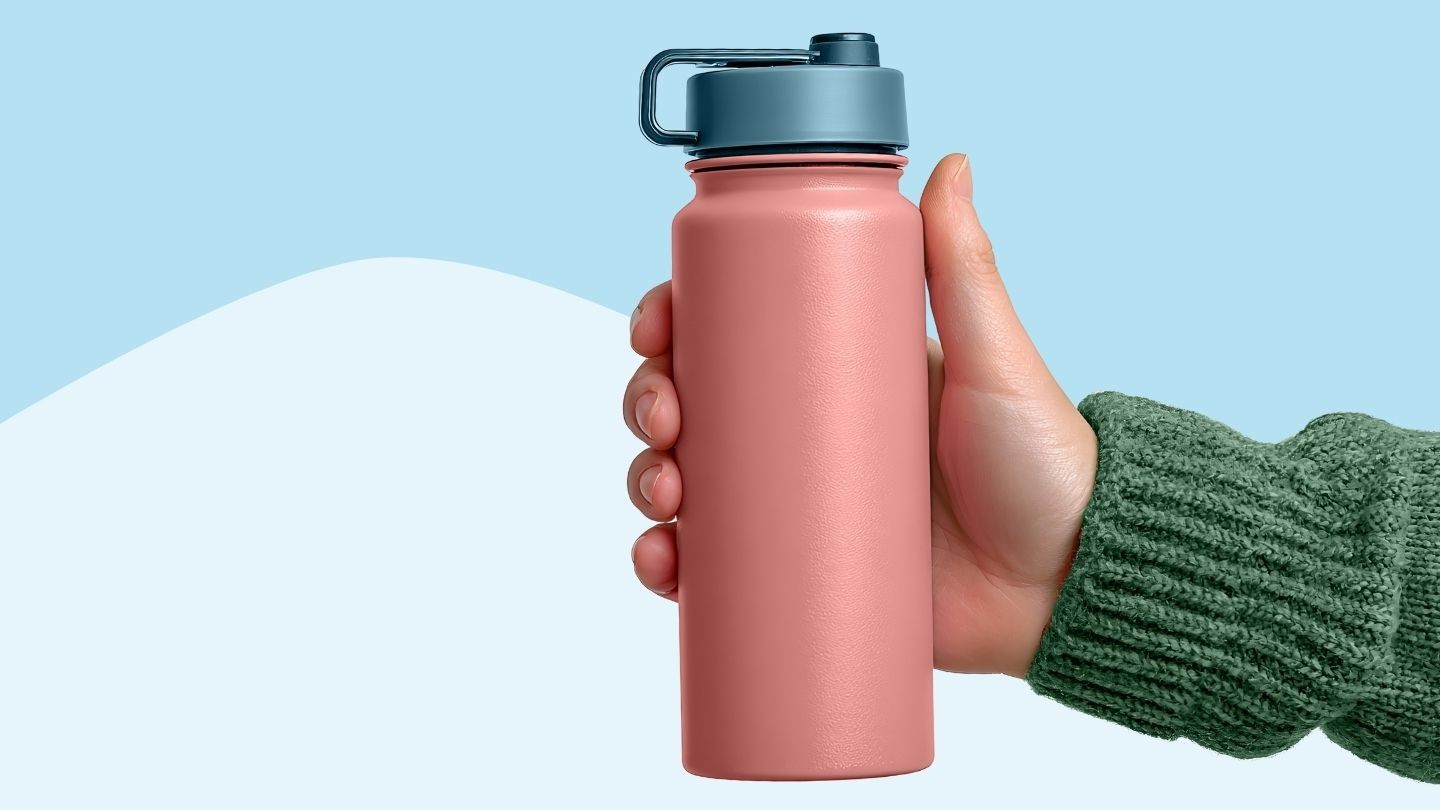
- Keep Water Visible: Use a reusable bottle or pitcher to remind yourself to drink throughout the day.
- Embrace Warm Beverages: Herbal teas and hot water hydrate effectively without caffeine’s diuretic effect.
- Flavor Your Water: Add fruits like apples, cucumbers, or berries to make water more appealing.
- Eat Hydrating Foods: Incorporate soups, celery, tomatoes, and watermelon into your diet.
- Balance Drinks: Match every caffeinated or alcoholic beverage with a glass of water.
- Mocktails Over Alcohol: Opt for hydrating, sugar-free mocktails instead of dehydrating alcoholic drinks.
Conclusion
Winter dehydration is a real threat often overlooked. By understanding the factors at play and implementing simple hydration strategies, you can protect your health, cognitive function, and physical performance throughout the colder months. Staying hydrated is just as critical in winter as it is in summer, and proactive measures can make all the difference.