An ectopic pregnancy is a medical emergency where a fertilized egg implants somewhere other than the lining of the uterus. While a healthy pregnancy develops in the uterus, an ectopic one usually takes root in a fallopian tube. This condition affects about one in 100 to 150 pregnancies. It is not a viable pregnancy. The tissue cannot survive, and if left untreated, it can cause life-threatening internal bleeding.
Most cases are tubal pregnancies. The fertilized egg gets stuck in the narrow passage of the fallopian tube, which connects the ovary to the uterus. Rarely, the embryo attaches to the ovary, the cervix, or even organs in the abdominal cavity. The location matters because it determines how quickly the situation becomes dangerous.
What Causes Blockages in the Fallopian Tubes?
The primary driver of an ectopic pregnancy is a physical barrier. The tube is narrow. It needs to be clear for the egg to travel from the ovary to the uterus. If there is a blockage or narrowing, the egg stops moving. It starts dividing right there, outside the womb.
Inflammation and scarring are the usual culprits. Previous pelvic infections often leave behind scar tissue that narrows the tube. Sexually transmitted infections like Gonococcus or Chlamydia are common triggers. But it’s not just STIs. Other bacteria can cause tubal infections after a miscarriage, after childbirth, or even while using an intrauterine device (IUD). The more severe the infection, the higher the risk of permanent blockage.
Abdominal issues play a role too. Appendicitis, pelvic tumors, or scar tissue from previous abdominal surgeries can all obstruct the tube. Sometimes, the cause is unknown. But the mechanism is consistent: the egg can’t get home. It implants where it lands.
The Hidden Danger of Rupture
Why is this so dangerous? Because the fallopian tube is not designed to stretch. An embryo grows. The tube does not. Eventually, the pressure becomes too much. The tube ruptures.
This leads to profuse bleeding into the abdominal cavity. If the ectopic pregnancy is in the ovary or cervix, it can invade nearby blood vessels, causing massive hemorrhage. In the past, this was often fatal. The mortality rate was high. Today, with better diagnostic tools and safe blood transfusions, death is uncommon. But it is still a catastrophic event if not caught early.
Recognizing the Warning Signs
Symptoms often appear two to four weeks after a missed period. But they can be subtle. Irregular spotting is usually the first sign. It might be mistaken for a light period. Then comes the pain. Sharp, continuous pain on one side of the lower abdomen is a classic symptom.
If the tube ruptures, the pain becomes sudden and severe. It is accompanied by a rapid heartbeat, backache, and sometimes fainting. The blood irritates the abdomen, causing intense discomfort. However, some women experience no unusual symptoms until the moment of rupture. This is why vigilance is key.
How Doctors Detect Ectopic Pregnancy
Diagnosis starts with a pelvic exam. The doctor may feel a tender swelling on one side of the pelvis. Moving the uterus or ovaries might cause pain. If suspicion is high, the patient is hospitalized immediately. Time is not on their side.
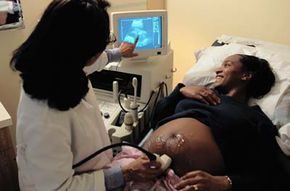
Ultrasound is the primary imaging tool. It can reveal the location of the ectopic pregnancy. If there is doubt, a procedure called culdocentesis might be used. A hollow needle is inserted through the vaginal wall beneath the cervix. If blood is drawn, it suggests internal bleeding from a ruptured ectopic pregnancy.
For definitive confirmation, a laparoscope is used. This is a lighted, tube-like instrument inserted through a small incision below the navel. It allows the doctor to look directly at the pelvic organs. They can see the pregnancy precisely and act quickly.
Treatment Options: Drug vs. Surgery
Treatment depends on the size of the embryo and whether rupture has occurred. If the embryo is small and the patient is stable—no significant pain or bleeding—methotrexate might be an option. This drug interferes with the growth of the embryo. It stops the cells from dividing. The body then reabsorbs the tissue.
Methotrexate is given as an injection. Close monitoring is essential. Doctors track hormone levels to ensure the treatment is working. If it fails, or if the embryo is large, surgery is necessary. Significant pain or bleeding also mandates immediate surgical removal. The goal is to stop the bleeding and remove the non-viable pregnancy tissue.
Living with the Risk
Having one ectopic pregnancy increases the risk of having another. About 15 percent of women who have experienced one will have a second. This is a significant statistical increase. It does not mean you cannot have a healthy pregnancy again. But it does mean you need to be extra cautious.
If you suspect you are pregnant, see your doctor immediately. Early detection is the only way to prevent rupture. You need to confirm the location of the embryo as soon as possible. An ultrasound early in pregnancy can provide that confirmation.
The emotional toll is heavy. A pregnancy that ends in tragedy, even when the embryo develops normally in the uterus, is devastating. Ectopic pregnancy is a specific, physical failure. It is not your fault. It is a biological error. Understanding the causes, symptoms, and treatments can help you navigate the fear. But the uncertainty remains. Every new pregnancy carries a shadow. You watch for the signs. You wait. And you hope.