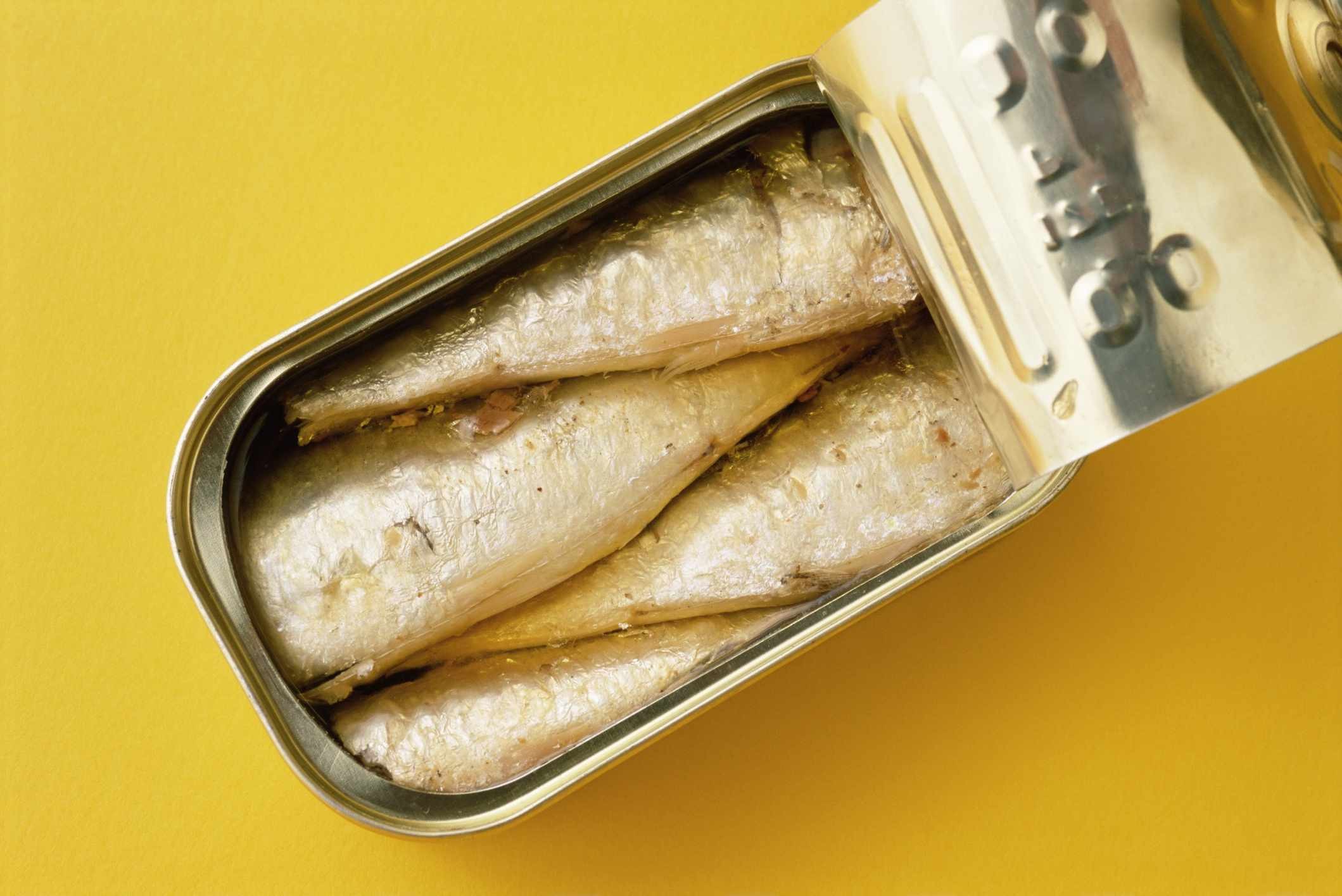
Sardines are nutritional powerhouses, packed with omega-3 fatty acids, protein, vitamin D, and calcium. These nutrients work together to reduce inflammation, support bone density, and promote cardiovascular health. However, their distinct taste and texture are dealbreakers for many consumers.
The good news is that you do not need to force yourself to eat sardines to reap these benefits. A variety of other foods—ranging from fatty fish to plant-based seeds and specialized eggs—offer similar nutritional profiles. By understanding the specific nutrients in sardines and how other foods replicate them, you can build a heart-healthy diet that actually suits your palate.
The Fish-Based Swaps
For those who enjoy seafood but dislike sardines, several other fish provide comparable levels of EPA and DHA, the specific omega-3 fats most directly linked to heart health.
1. Salmon
Salmon is arguably the most versatile substitute for sardines. Certain varieties contain even higher concentrations of EPA and DHA than sardines. These fats are crucial for managing blood pressure and triglyceride levels.
Beyond omega-3s, salmon is a rich source of protein, selenium, B vitamins, and vitamin D. To mimic the calcium boost found in sardines (which are typically eaten with bones), opt for canned salmon with bones. This makes it nutritionally closer to its smaller cousin.
- How to eat it: Flake it into rice bowls, toss it into salads, or spread it on whole-grain toast.
2. Rainbow Trout
If the “fishy” odor of sardines is the primary issue, rainbow trout is an excellent alternative. It has a mild, slightly nutty flavor and provides a robust dose of omega-3s, protein, and vitamin D.
Vitamin D is particularly notable here, as many people are deficient in this nutrient. While research is ongoing, vitamin D plays a critical role in immune function, muscle health, and potentially heart health.
- How to eat it: Bake it with olive oil, lemon, garlic, and herbs. It also works well flaked into tacos or grain bowls.
3. Tuna
Tuna is a lean, high-protein option that still delivers omega-3 fats, though in lower quantities than salmon or sardines. It remains a valid component of a heart-healthy diet.
Important Note on Mercury: When choosing tuna, canned light tuna is generally the safer choice. It typically contains less mercury than albacore or bigeye tuna and may offer higher omega-3 levels than some fresh tuna varieties.
- How to eat it: Create a heart-healthy tuna salad by mixing it with mashed avocado or olive oil instead of heavy mayonnaise.
4. Mackerel
Mackerel is another fatty fish that rivals sardines in omega-3 content. It is also rich in protein, vitamin D, and vitamin B12.
Caution: Not all mackerel is equal. Atlantic and Pacific mackerel are healthy choices. However, king mackerel is high in mercury and should be avoided, especially by pregnant or breastfeeding individuals.
Mackerel has a rich, oily flavor that pairs well with acidic ingredients like lemon juice, tomatoes, vinegar, or mustard to balance the richness.
- How to eat it: Serve it over pasta, in salads, or on whole-grain toast.
Plant-Based and Alternative Sources
For those who do not eat fish, or want to diversify their intake, plant-based options and enriched animal products can fill the nutritional gap. However, understanding the difference between types of omega-3s is key.
5. Walnuts
Walnuts are one of the best dietary sources of ALA (alpha-linolenic acid), a plant-based omega-3. It is important to note that the body must convert ALA into EPA and DHA to utilize it fully. This conversion process is inefficient, with research suggesting less than 15% of ALA is converted.
Therefore, walnuts do not provide the same immediate “usable” omega-3 punch as fatty fish. However, they offer additional benefits: they contain plant compounds that support gut health, which is increasingly linked to healthy blood pressure and cholesterol levels.
- How to eat them: Add to oatmeal, yogurt, salads, or trail mix. They pair particularly well with fruits like apples or berries.
6. Chia Seeds
Like walnuts, chia seeds are a source of ALA. Their standout benefit, however, is their high fiber content.
Fiber plays a direct role in heart health by reducing the amount of cholesterol your body absorbs. Increasing fiber intake can help lower LDL (“bad”) cholesterol. Chia seeds are incredibly easy to incorporate into a daily routine without altering the flavor of a meal significantly.
- How to eat them: Stir them into yogurt, oatmeal, smoothies, or overnight oats.
7. Ground Flaxseed
Ground flaxseed provides ALA, soluble fiber, and lignans —plant compounds with antioxidant properties. Together, these nutrients may help improve cholesterol levels, blood pressure, and inflammation.
Because whole flaxseeds can pass through the digestive system undigested, it is essential to use ground flaxseed to access the nutrients.
- How to eat it: Mix one tablespoon into smoothies, pancake batter, muffins, or yogurt. Start slowly and drink plenty of water to prevent digestive discomfort.
8. Omega-3-Enriched Eggs
Standard eggs contain minimal omega-3s, but omega-3-enriched eggs come from hens fed a diet rich in omega-3 sources (such as flaxseed or algae). This results in eggs with significantly higher levels of both ALA and DHA.
Some studies suggest these eggs can support healthy cholesterol, triglyceride, and blood pressure levels. The exact nutrient content varies by brand, so checking labels is recommended.
- How to eat them: Boil them, scramble them, or add them to veggie omelets and whole-grain toast for an added fiber boost.
Building a Heart-Healthy Plate
You do not need sardines to protect your heart. The goal is to ensure your diet includes a variety of nutrients that support cardiovascular function: omega-3 fats, fiber, protein, calcium, potassium, and magnesium.
By rotating through these eight alternatives, you can achieve the same health outcomes as eating sardines, while enjoying a wider variety of flavors and textures. The key is consistency and variety—focusing on whole, nutrient-dense foods rather than relying on a single “superfood.”