L-цитрулін – це амінокислота, яка природним чином виробляється в організмі людини, хоча вона також легко доступна з їжею та добавками. На відміну від багатьох інших амінокислот, які беруть безпосередню участь у будівництві білків, цитрулін в першу чергу функціонує як попередник аргініну та оксиду азоту, які є життєво важливими для здоров’я серцево-судинної системи, роботи м’язів і регуляції цукру в крові.
Як працює цитрулін
Організм перетворює L-цитрулін в аргінін, який потім стимулює вироблення оксиду азоту. Оксид азоту є судинорозширювальним засобом, тобто розслабляє і розширює кровоносні судини. Ось чому цитрулін вивчається на його потенційну користь для спортивних результатів, контролю артеріального тиску та регуляції рівня цукру в крові.
Потенційні переваги: ближчий погляд
Спортивні результати
Дослідження показують, що прийом L-цитруліну перед тренуванням може зменшити втому та біль у м’язах. Покращений кровотік доставляє більше кисню та поживних речовин до м’язів, підтримуючи відновлення та силу. Однак результати досліджень неоднозначні: деякі дослідження показують значні переваги, а інші повідомляють про мінімальний ефект. Зазвичай доза становить від 3 до 9 грамів перед фізичною активністю, хоча довгострокові ефекти (крім разових доз або короткочасних випробувань) менш очевидні.
Контроль артеріального тиску
L-цитрулін може допомогти знизити артеріальний тиск за рахунок збільшення рівня оксиду азоту, який розширює кровоносні судини. У той час як деякі дослідження показують помірне зниження, інші не виявляють істотного впливу. Потрібні подальші дослідження, щоб підтвердити його ефективність як засобу контролю артеріального тиску.
Регулювання рівня цукру в крові
Здатність L-цитруліну покращувати функцію кровоносних судин і чутливість до інсуліну свідчить про потенційну користь для лікування діабету. Деякі невеликі дослідження показують, що це може допомогти знизити рівень цукру в крові, підвищити рівень холестерину та зменшити запалення у людей з діабетом 2 типу. Однак інші дослідження не підтвердили ці ефекти. Зв’язок між цитруліном і цукром в крові залишається предметом дослідження.
Дозування та безпека
Не існує офіційної рекомендованої добової норми L-цитруліну. Типові дози коливаються від 1,5 до 5 грамів на день протягом кількох місяців або одноразова доза від 6 до 12 грамів. Добавка виявилася безпечною в дослідженнях із застосуванням до 6 грамів на день протягом двох місяців, у рідкісних випадках повідомлялося про легкий дискомфорт у животі. Вагітним жінкам або жінкам, які годують грудьми, слід уникати його використання, оскільки його вплив на ці групи населення не вивчався.
Джерела їжі та добавки
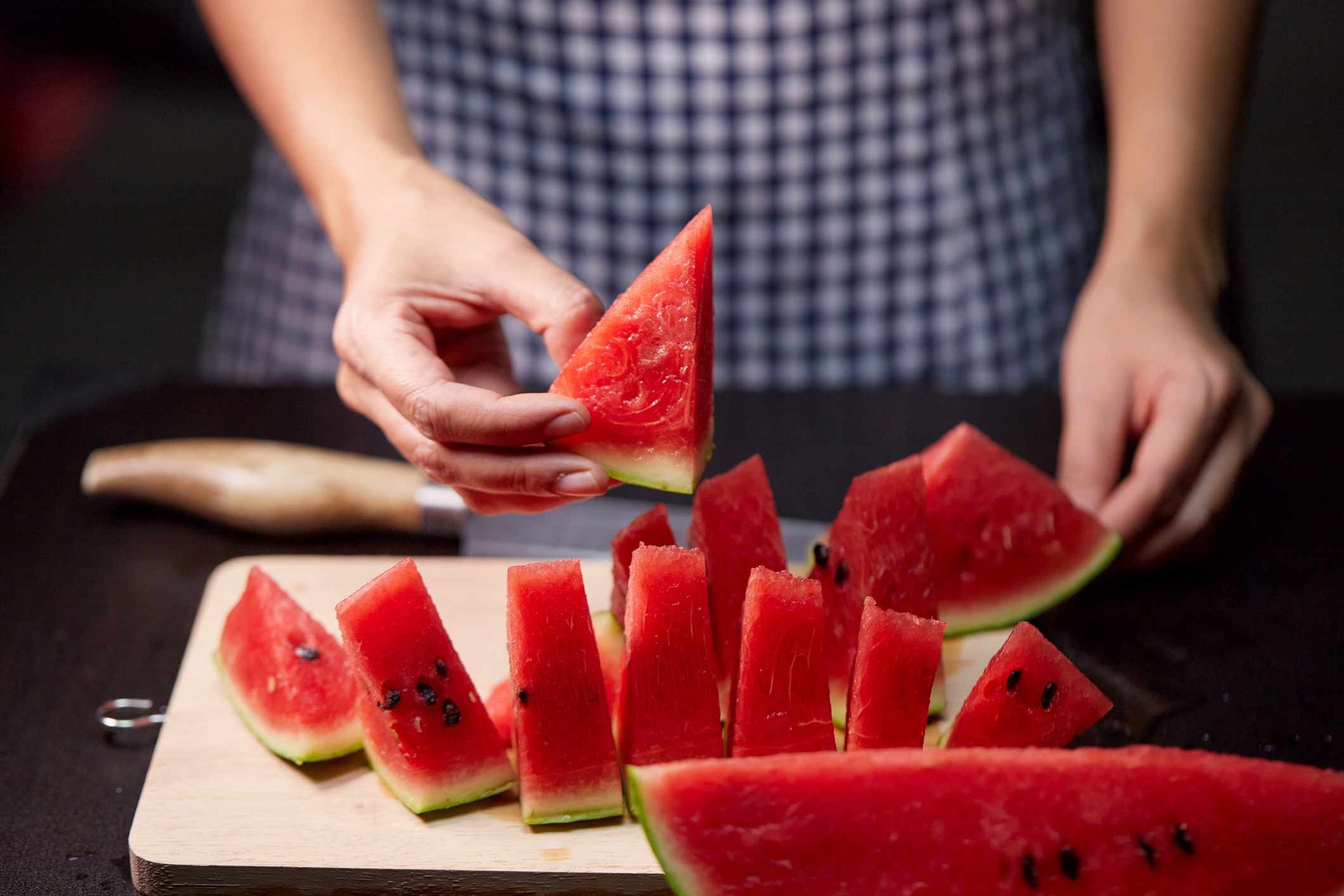
Кавун є найбагатшим природним джерелом L-цитруліну, який містить близько 365 міліграмів на чашку. Інші дині, такі як диня та огірки, також містять меншу кількість.
L-цитрулін також доступний як добавка у двох основних формах:
- **L-цитрулін: ** Чиста амінокислота.
- Цитрулін малат: поєднує L-цитрулін з яблучною кислотою, яка потенційно може покращити засвоєння та клітинну енергію. Цитрулін малат містить приблизно 56,64% чистого цитруліну, тобто 1000 мг містить 566 мг цитруліну.
Дослідження не визначили, яка форма найкраща.
Взаємодія та запобіжні заходи
L-цитрулін може взаємодіяти з деякими ліками, але конкретні взаємодії не були ретельно задокументовані. Важливо проконсультуватися зі своїм лікарем, перш ніж почати приймати добавки, особливо якщо у вас є якісь основні захворювання або ви приймаєте ліки, що відпускаються за рецептом.
Хоча L-цитрулін багатообіцяючий у кількох областях, наука залишається незавершеною. Необхідні більш контрольовані дослідження, щоб повністю зрозуміти його переваги, оптимальні дози та довгострокові ефекти.