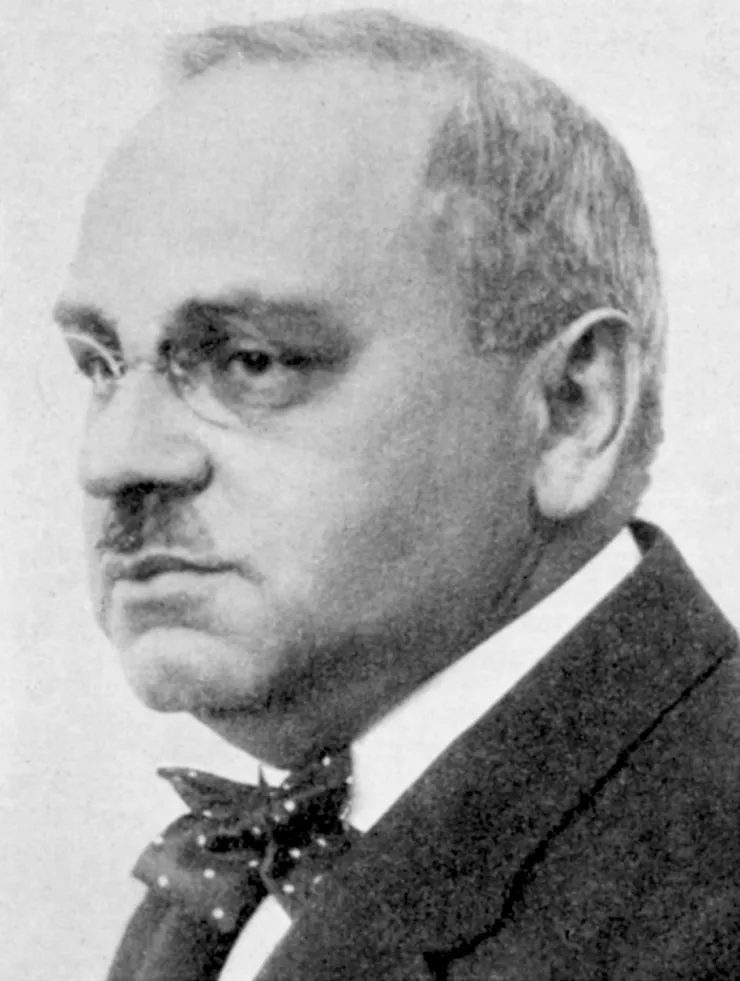
Alfred Adler wasn’t just another name in the long list of early psychoanalysts. He was the guy who broke up with Sigmund Freud. That split wasn’t petty. It was foundational. It changed how we look at mental health. Born in Penzing, Austria, on February 7, 1870, Adler became an Austrian psychiatrist who looked at people differently. Most doctors in his era saw patients as collections of symptoms. Adler saw the whole person.
He earned his medical degree in Vienna. But even before he finished, he had a thesis. The individual must be understood in relation to his total environment. Not just the brain. Not just the childhood trauma. The whole context. This was radical for the time.
The Break with Freud
Adler was a student of Freud. He was also an associate. The timeline is specific: 1902 to 1911. They worked closely. They built a reputation together. Then they disagreed.
The core conflict was about sex. Freud believed early-childhood sexual conflicts were the root of psychopathology. Adler didn’t buy it. He thought this focus was too narrow. Too reductive.
He broke with Freud in 1911. That’s when he started building something else. Something humanistic. He called it individual psychology. It wasn’t about dissecting the mind into tiny, sexualized parts. It was about drives, feelings, emotions, and memory. All viewed through the lens of the individual’s overall life plan.
The Inferiority Complex
Adler advanced a theory that still echoes today. The inferiority complex. He used it to explain cases of psychopathology. Not as a disease. As a feeling. A sense of inadequacy that drives behavior.
Adlerian psychotherapy had a clear goal. Direct patients emotionally disabled by these feelings toward maturity. Toward common sense. Toward social usefulness. The idea was simple. People feel small. They try to compensate. Sometimes that compensation goes wrong. Therapy helps redirect that energy.
This wasn’t just theory. He put it into practice. In 1921, he established the first child guidance clinic in Vienna. Real-world application. Early intervention.
Moving to America
Adler didn’t stay in Europe forever. He taught in the U.S. from 1927 until his death. Where did he teach? Columbia University. The Long Island College of Medicine. He brought his ideas across the Atlantic. They took root.
He died on May 28, 1937. In Aberdeen, Aberdeenshire, Scotland. A long way from Penzing.
His books still get referenced. Understanding Human Nature came out in 1927. What Life Should Mean to You followed in 1931. These weren’t academic tomes. They were accessible. Direct. Practical.
Why It Matters Now
You might wonder why this matters today. We have more therapies now. More medications. Better MRI machines. So why look back at a man who died in the 1930s?
Because Adler was ahead of his time. He saw the social component of mental health before it was trendy. He believed in social interest. In community. In usefulness. Modern therapy often