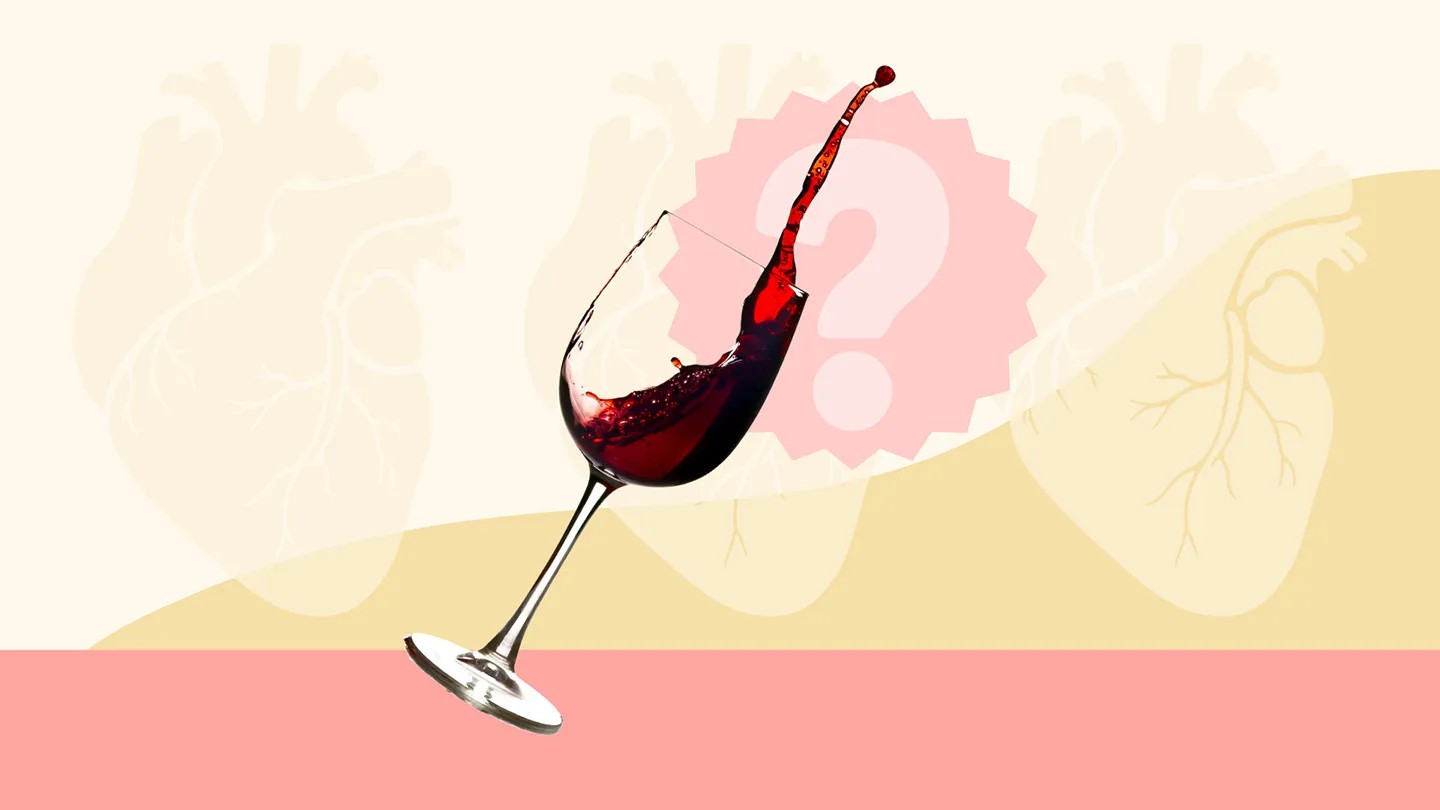
Drinking less is better. The WHO says not drinking at all is ideal. If you have transthyretin ATTR-CM, that rare heart failure where irregular proteins stiffen the walls of your pump, the answer isn’t really debatable. Most experts want you to keep the bottle away.
“Alcohol acts as a cardiotoxin,” Sarah Paciulli, an RN at VCU Health. It is poison to the heart muscle. Simple as that. Andres Carmona Rubio at Cleveland Clinic puts it even starker. Alcohol tells your liver to manufacture more transthyretin (TTR). The very protein causing your trouble. It feeds the disease and fights your meds.
The Damage
ATTR-CM thickens the heart walls. They become rigid. Unable to push enough blood where it needs to go.
Alcohol hits heart cells directly. Dr. Carmona Rubio notes that this accelerates amyloidosis —the buildup of those bad proteins. When the buildup worsens, you feel it. Shortness of breath. Swollen legs. Paciulli advises against it completely. Even small amounts stress a compromised organ.
For patients with ATTR-CM, even small amounts place extra stress on an already compromised system.
Then there is the pressure game. Alcohol drops blood pressure temporarily. Your heart can’t adjust. You get dizzy. You might faint. Carmona Rubio warns of these sudden crashes.
Electricity and Clots
It also messes with the electrical system. Cynthia Kos at Hackensack Meridian says this increases the risk of dangerous arrhythmias.
For a stiff heart, irregular rhythms are chaos. It leads to atrial fibrillation. You feel it—fluttering, pounding, tiredness, breathlessness. But the real danger is invisible. Carmona Rubio says ATTR-CM plus atrial fibrillation means high clot risk.
Blood clots are bad. Heart attacks, strokes, pulmonary embolism. Life-threatening all the way around.
The Water Balance
Here is the tricky part. Fluid retention. Alcohol tells your body to hoard water. ATTR-CM means your fluid balance is already fragile. Extra water floods the lungs or swells the legs. Breathing gets hard. Mobility drops.
But flip it around. Alcohol also dehydrates you. Paciulli points out the double whammy. Your meds might pull fluid out too fast. Alcohol strips what’s left. When you’re dry, blood pressure tanks. Dr. Kos says forcing a weak heart to pump when fluid volume is low is a “huge strain.” Dehydration also brings dizziness. That brings falls.
Mixing It Up
Medications make it worse. Don’t guess. Ask your doctor. Here is how they clash.
- Blood thinners (warfarin, apixaban, rivaroxaban). Alcohol ramps up the bleed risk.
- Diuretics (furosemide, hydrochlorothiazide). Drops blood pressure further. Dehydration spikes.
- BP meds (midodrine, droxidopa). Blood pressure plummets.
- Nerve pain pills (pregabalin, gabapentin). Sedation deepens.
- TTR silencers (vutrisiran). Effectiveness may drop.
- SGLT2 inhibitors (bexagliflozin, canagliflozin). Dehydration risk climbs. Hypoglycemia risk climbs.
Is Anything Safer?
Not really. Research is thin on specific drink types, but the consensus holds firm. No alcohol is the recommendation. If forced to choose? Dry red wine. It has polyphenols, antioxidants that might fight inflammation slightly. Paciulli concedes it is “favored over other options,” but the catch is immediate.
Quantity matters more than kind.
The risks jump with heavy use. If you insist, Paciulli suggests strict limits. One drink a day for women. Two for men. This is the standard “moderate” definition, but remember there is no safe amount for a diseased heart.
If You Drink Anyway
Kos is blunt. “Every drink introduces a risk.” But life happens. Kos admits it’s normal to want your vices. So how do you manage the fallout?
Limit yourself. One drink. Maybe twice or three times a week. Stay hydrated around the edges of it. Weigh yourself in the morning. Watch for changes that signal fluid buildup.
Stop drinking if symptoms flare.
– Shortness of breath
– Dizziness when standing
– Irregular heartbeat
– Nerve pain
Carmona Rubio advises avoiding it when you feel these signs. The alcohol will amplify them.
Living with a chronic condition is hard. Giving up the drink is harder. But talking to your team isn’t. They want you alive, not just sober. Or at least, less sick. The conversation is uncomfortable, yes. But necessary. What’s your limit? And does the heart even have one left?