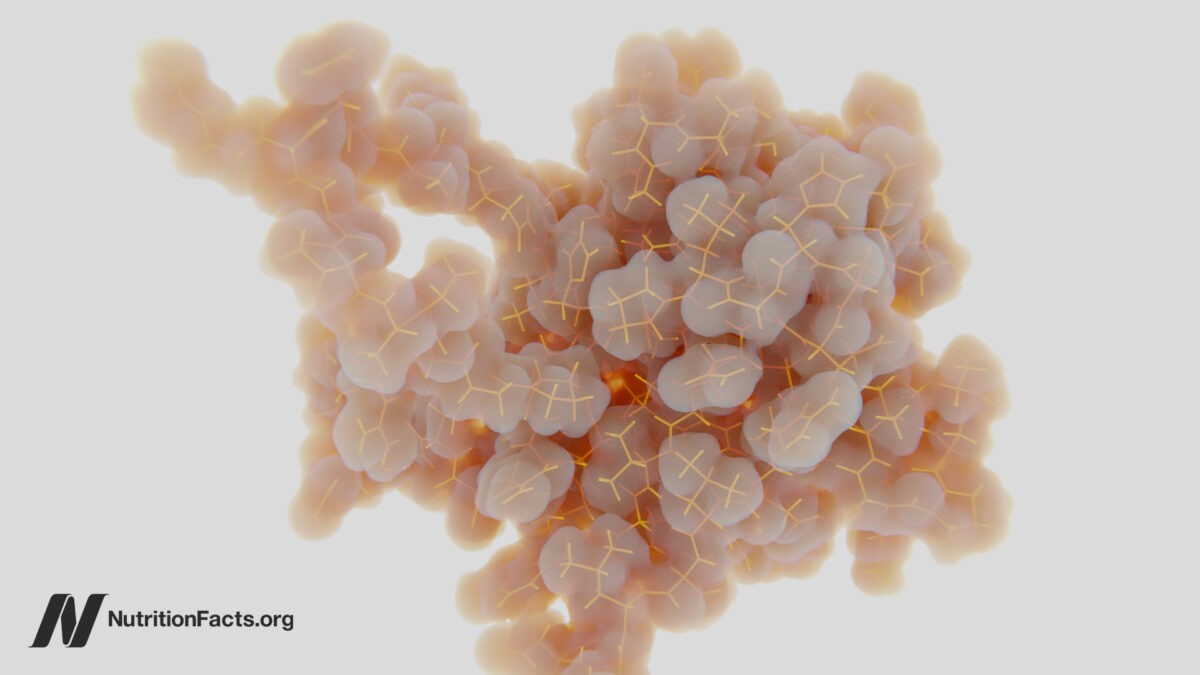
What is FGF21? It sounds like a chemical formula from a bad sci-fi movie. It isn’t.
In the year 200, researchers found the 21st fibroblast growth factor. They named it accordingly: FGF21. Turns out it matters. A lot.
This hormone handles the heavy lifting for metabolic health, arterial strength, and yes, longevity. Put it into overweight monkeys? They don’t eat less. They don’t change their habits. They just drop 27% of their body fat. In mice, the effect is even more radical. Lifespans jump 30 to 40%. That rivals the effects of lifelong calorie restriction, yet the mice keep eating like normal. Big Pharma is nervous. And excited. The question on everyone’s lips is blunt: Can we drug aging away?
The allure is understandable. Imagine one treatment handling obesity, diabetes, bad cholesterol, and high blood pressure simultaneously. A few years ago that sounded like a fairy tale. Now it feels imminent.
Here’s the rub. You can’t just inject the raw stuff. Your body eats FGF21 for breakfast. It degrades fast. You’d need an injection every hour or two. Around the clock. Who wants that? So pharma companies are busy patenting longer-acting imitations. They’re working on things like PF-052319023. Test it, and people shed ten pounds in a month. Triglycerides plummet. Cholesterol drops. It looks miraculous on a chart.
Then come the side effects. Always the side effects.
Researchers got creative. Or desperate. Can we stuff the gene into a virus? Inject it? Let it rewrite your DNA to produce the hormone? It’s a valid scientific path, if slightly dystopian. There is, however, a lower-tech alternative.
Lace up your shoes.
Exercise triggers natural production. Maybe that’s why moving makes you live longer. But which movement matters most?
Cardio (eight weeks of running) works. Resistance training (eight weeks of lifting) works better. The weight lifters saw FGF21 rise by 42%. The runners got 25%. Resistance wins. Again.
Food complicates things. Why stimulate your own system if you can just buy a needle? Easy. Natural is cheaper. Safer. Less invasive. But how do you eat for FGF21?
Start by not eating at all.
They call it the starvation hormone because fasting brings it up. But here is the catch. Humans aren’t mice. Mice spike FGF21 after six hours. We are sluggish. You don’t see a surge until day seven. To quadruple the levels, you need ten days of absolute fasting. That is not a lifestyle. That is a health risk. It’s the poster child for unsustainability.
So we skip the starvation. We look to diet hacks. Enter the Keto diet. Logic suggests cutting carbs mimics the fast. It should work, right?
It doesn’t.
In fact, months on keto can actually suppress the hormone. High-fat intake might even block the benefits of your interval training. So you exercise hard, eat fat, and get less out of it. Not the outcome anyone wants.
What does work? The data points in one direction, but the recipe remains elusive.
FGF21 respects effort. It ignores trends.
We’ll need to wait for part two to see what diet actually helps. For now, the evidence favors lifting heavy things and skipping the fad diets.
Doctor’s Note
Part two drops soon: How to Boost FGF21 via Diet. Also, check last week’s video on exercise volume if you’re curious about the “how much” question. 🏋️♂️