


The gut microbiome sounds fancy, but it is just bugs living inside you. Tiny microorganisms that handle digestion, metabolism, and your immune system. When the bad microbes win, the balance tips. That’s when you need probiotics. Live cultures you eat to crowd out the troublemakers.
Here are five foods that actually contain the goods.
1. Kefir
Think of kefir as a drinkable yogurt with teeth. Tangy, tart, fermented.
It starts with kefir grains. Not grains of rice. Yeast and lactic acid bacteria living together. You add milk, they multiply, and you get a culture rich in probiotics. The fermentation does the heavy lifting.
It is low in lactose. Most lactose-intolerant people can drink it without paying the price. Plus it has protein and calcium. Often Vitamin D too. Drink it plain. Blend it. It works.
2. Kimchi
Korea made it first. Now America wants in.
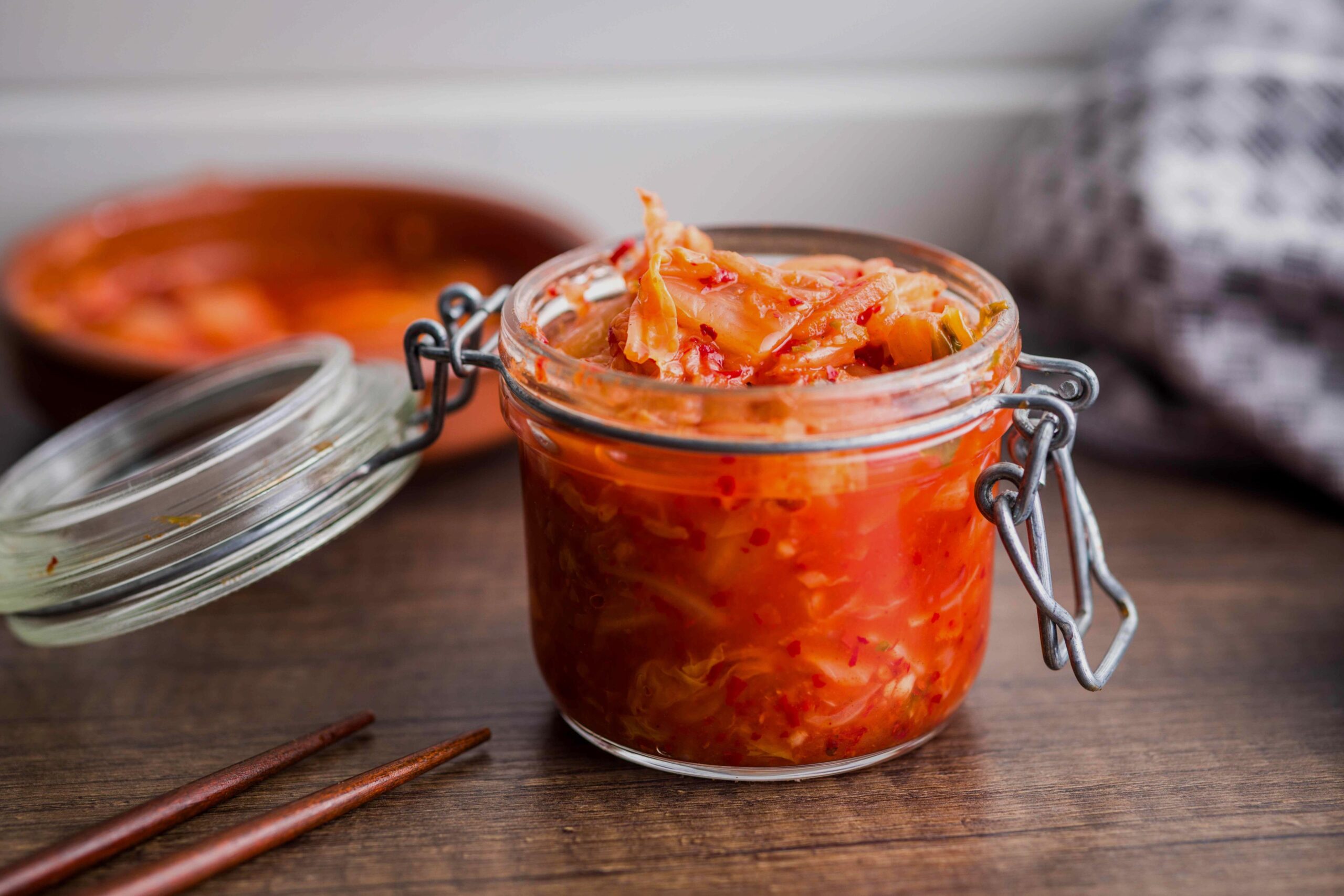
Kimchi is fermented vegetables. Cabbage mostly, but often radishes, cucumbers or onions. Salt, spice, and lactic acid bacteria do the rest. The bacteria count ranges from mild to fiery.
Studies suggest it reduces harmful gut bacteria. It helps blood glucose, pressure, cholesterol. Good news everywhere. Fiber content adds another layer of protection for those same markers.
Eat it with rice. Eat it alone. Just don’t pretend you aren’t enjoying the spice.
3. Kombucha
It fizzes. It ferments. It contains trace amounts of alcohol because yeast ate some sugar.
Tea, sugar, bacteria, yeast. The combo creates a beverage that claims to heal the soul and the gut. Some studies point to probiotics and antioxidants. The evidence is there, but thin. The industry is barely regulated.
Pregnant folks. Immunocompromised patients. Skip it unless your doctor says no. For everyone else? Proceed with caution. Or just drink the tea.
“Many health benefits have been demonstrated… but more research is needed.”
4. Sauerkraut
Sauerkraut is Chinese, European, American. It belongs to the fermented cabbage club along with kimchi, minus the vegetables and spices. Just cabbage and lactic acid.
One study noted that most good bacteria survive the ferment and the package. That’s rare for probiotics.
Stop putting it only on hot dogs. Put it on burgers. Salads. Charcuterie boards. Even mashed potatoes. Why not? It is tangy enough to cut through heavy carbs.
5. Yogurt
The obvious choice. Fermented milk. Heat it, add bacteria, wait. The probiotics survive because they are added after the heat. Crucial distinction.
Look for Lactobacillus and Bifidobacterium. Check the label. Greek yogurt or Skyr will give you extra protein and calcium with less sugar.
Eat it straight. Top oatmeal. Mix into a salad dressing. The versatility is its only real defense against boring reputations.
Rules for the Live Stuff
Probiotics are fragile. Heat kills them. So does sitting in a hot car for hours.
Check the label. “Live active cultures” matters. If it says nothing, assume they are dead. Store it in the fridge. Follow the manufacturer.
Try this:
– Toss yogurt into smoothies
– Swap soda for kombucha in a mocktail
– Slather kimchi on burgers
– Use Greek yogurt as a dressing base
– Top pancakes with probiotic-rich berries
The Aftermath
For most people, Lactobacillus and Bifidobacterium are safe. Very safe.
But your body might object at first. Gas is common. Bloating too. These are the main side effects. Your gut is adjusting to the new neighbors.
Introduce them slowly. Give your system time to recalibrate. Maybe it helps. Maybe it just farts a bit more. We wait and see.


